Traditional Rice Varieties : Complete List of India’s Ancient Grains (2025)

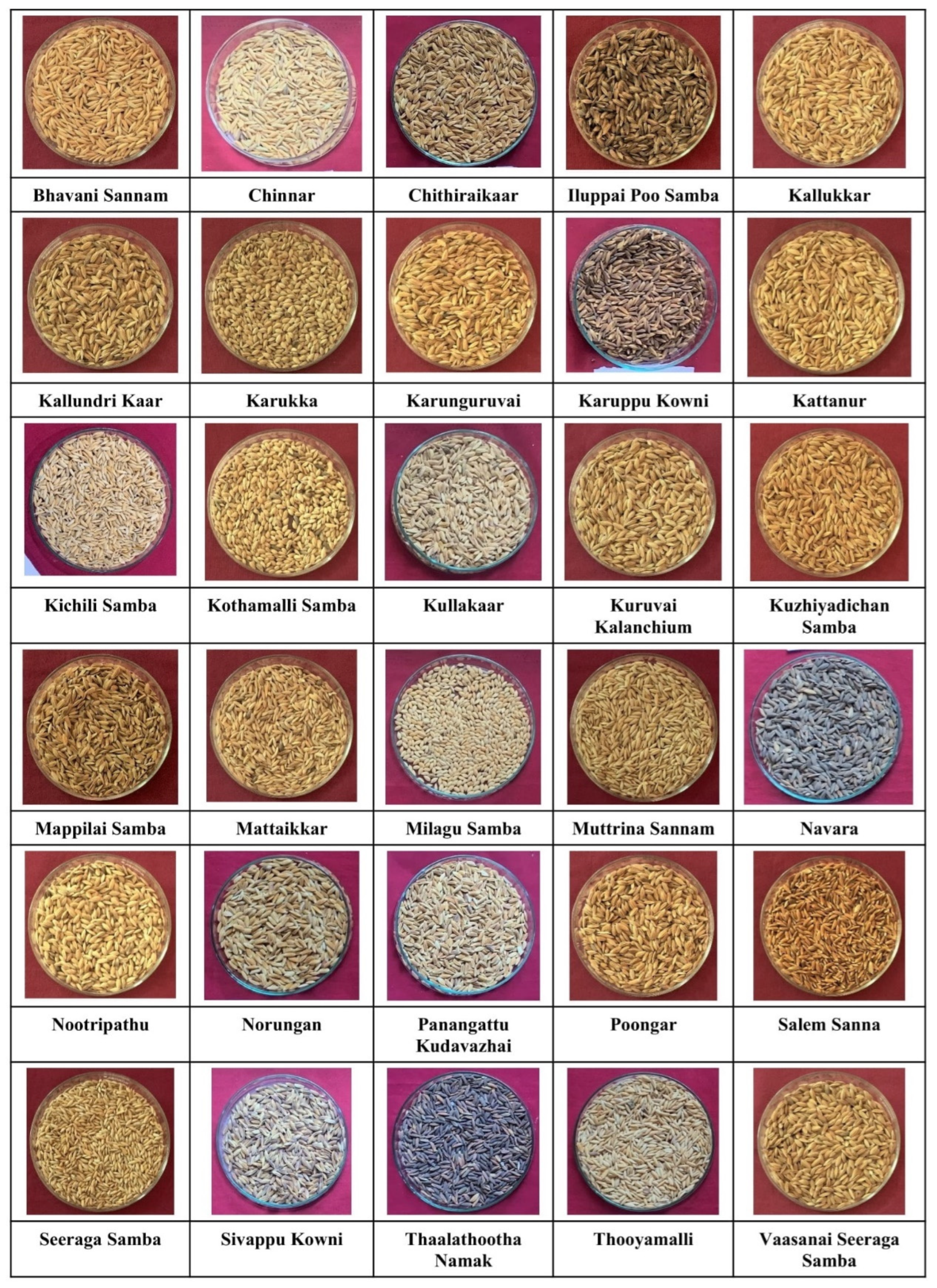

For thousands of years, India has been home to a rich collection of traditional rice varieties, each adapted to local soil, climate, and culture. Long before hybrid seeds and chemical farming, farmers cultivated hundreds of unique landraces—red rice, black rice, aromatic rice, medicinal rice, flood-tolerant rice, drought-resistant rice, and more. These grains carried nutrition, biodiversity, and heritage.
Today, in 2024–2025, India is witnessing a powerful revival of traditional rice varieties, as consumers demand healthier food, farmers shift to sustainable methods, and scientists rediscover the climate resilience of these ancient grains.
This article presents an A to Z guide to popular traditional rice varieties, their benefits, and their importance in modern agriculture.
A to Z List of Popular Traditional Rice Varieties in India
Below is a curated list of the most widely grown, nutritionally rich, and culturally important traditional rice varieties from across India—especially Tamil Nadu, Kerala, Karnataka, West Bengal, Odisha, Assam, and the North-East.
A – Aathur Kichili Samba
A short-grain, mildly fragrant rice grown in Tamil Nadu. Known for soft texture and excellent digestibility. Used for daily meals and biryani.
B – Black Rice (Karuppu Kavuni / Chakhao)
Famous for its deep purple-black colour, high antioxidants, iron, and anti-inflammatory properties. Traditionally served to royalty. Used in desserts, porridge, and baking mixes.

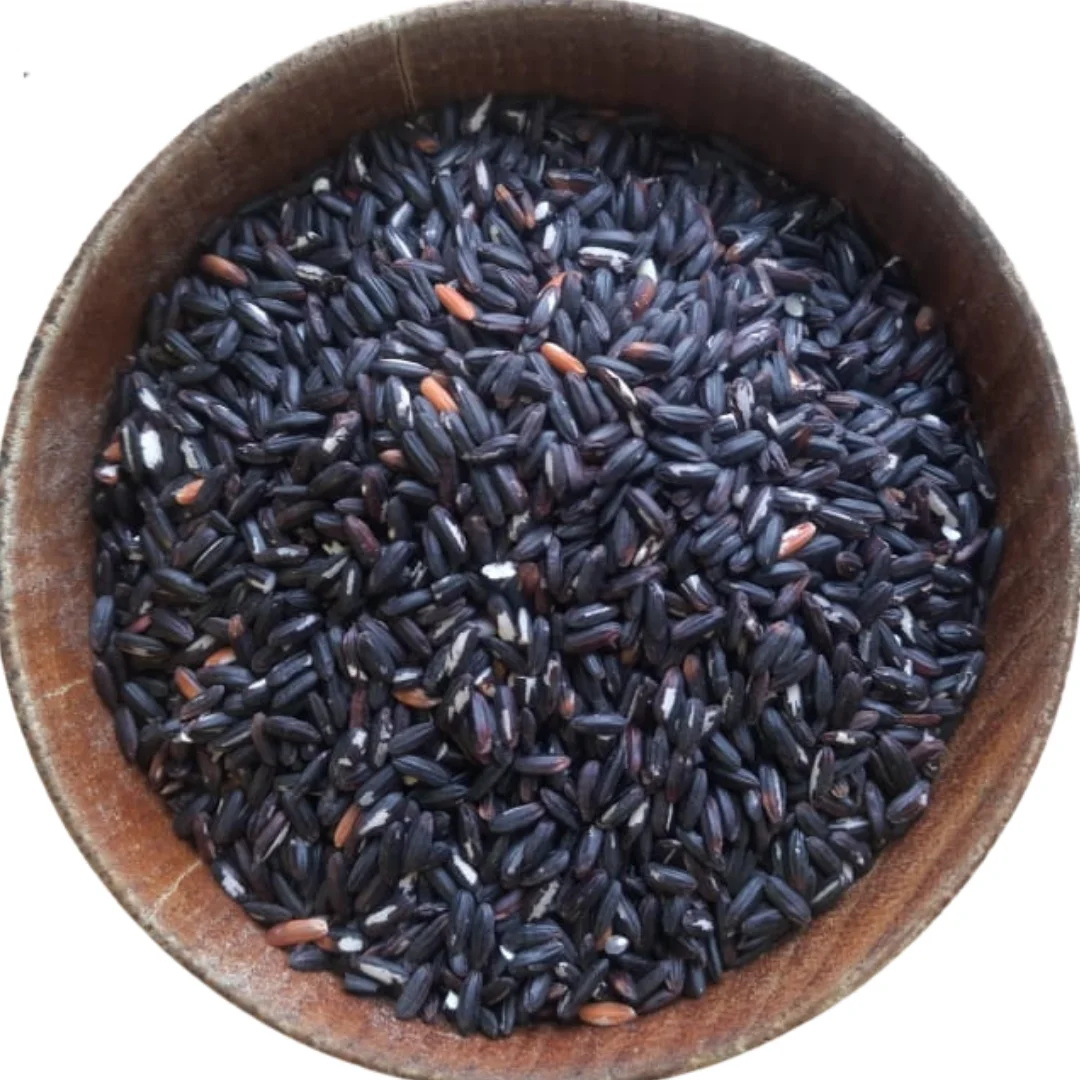
C – Chithiraikar
A red traditional rice known for its iron-rich grain and medicinal value. Often recommended for women’s health.
D – Dubraj Rice
An aromatic traditional variety from Chhattisgarh, often called the “Basmati of the East.” Soft, long, and perfect for pulao.
E – Elangadhiras
A rare drought-resistant rice from Tamil Nadu. Known for strong stalks and natural pest resistance.
F – “Forbidden Rice”
Another name for black rice. Ancient belief: only kings could eat it due to its health-boosting properties.
G – Garudan Samba
A tall rice variety believed to improve stamina. Grows well without chemicals and resists lodging.
H – Hand-Pounded Traditional Rice
Not a specific variety, but a traditional processing method. Hand pounding preserves bran, vitamins, and minerals—unlike polished white rice.
I – Illuppai Poo Samba
A fragrant Tamil Nadu rice, with aroma similar to Mahua flower (Illuppai). Excellent for pulao and celebratory dishes.
J – Jeeraga Samba (Seeraga Samba)
A tiny-grain aromatic rice used in Tamil Nadu biryani. Rich flavour, easily digestible, premium market value.
K – Kullakar Rice
A hardy, ancient rice that grows in dry or wet conditions. Associated with good bone health and stamina.
L – Laal Dhaan (Red Rice)
Found across Kerala, Tamil Nadu, and Assam. High in antioxidants and iron. Popular among diabetics due to low glycemic index.
M – Mappillai Samba
One of the most famous traditional rice varieties. Known as “Bridegroom Rice” due to its strength-boosting properties. Ideal for idli, dosa, porridge, and rice bowls.


N – Navara Rice
A medicinal rice from Kerala and Tamil Nadu. Used in Ayurveda for wound healing, immunity, and baby food.
O – Ottadam
A flood-tolerant traditional rice variety grown in Kuttanad and coastal regions. Survives deep water and monsoon conditions.
P – Poongar Rice
Known as “Women’s Rice.” Helps with hormonal balance, strength, and digestion. Cultivated traditionally in Thanjavur and Pudukottai.
Q – Qalan Rice (Heritage Paddy)
Less commonly known, grown in specific pockets as a drought-resistant landrace. Used mainly in tribal regions.
R – Rakthashali Rice
A rare red medicinal rice, used in traditional wellness recipes. Believed to purify blood and improve skin health.
S – Sona Masuri (Traditional Strain)
Although now hybridized, the original Sona Masuri is an heirloom medium-grain rice grown in Andhra and Tamil Nadu. Light, aromatic, and diabetic-friendly.
T – Thooyamalli Rice
A white traditional rice known for its jasmine-like fragrance. Superior for biryani and special dishes.
U – Uppam Poongar
A variation of Poongar rice grown in saline areas. Known for resilience and nutritional content.
V – Vallai Ponni (Traditional Ponni)
Traditional Ponni rice is softer and more nutritious than modern polished Ponni. Widely used for everyday meals in Tamil Nadu.
W – Wayanad Jeerakasala
A small-grain aromatic rice from Kerala. Used for Thalassery biryani.
X – (X-Factor Rice) Hybrid of Indigenous Parents
Some farmers refer to rare local cross-varieties created through natural selection, still considered part of the traditional rice basket due to non-GMO origins.
Y – Yanang Rice (Northeast)
Grown in Assam and Manipur, known for subtle aroma and adaptability to rain-fed farming.
Z – Zeera Rice (Traditional Fine-Grain Rice)
A classic small-grain rice with mild aroma. Believed to be an old ancestor of today’s jeera samba rice.
Benefits of Traditional Rice Varieties
Traditional rice varieties are becoming popular due to multiple benefits:
✔ Nutrient-rich
High in:
- Iron
- Zinc
- Antioxidants
- Dietary fibre
- Essential amino acids
✔ Low glycemic index
Great for people managing diabetes and metabolic health.
✔ Climate resilient
Many varieties survive:
- Drought
- Floods
- Pests
- Salinity
✔ Chemical-free friendly
Most traditional rice grows well under organic conditions.
✔ Cultural significance
Used in:
- Festivals
- Ayurvedic practices
- Rituals
- Heritage cuisines
Why Traditional Rice Varieties Are Returning in 2025
The revival of traditional rice is driven by:
- Growing health awareness
- Rise of organic markets
- Consumer demand for indigenous grains
- Farmers seeking sustainable crop choices
- Efforts of NGOs and agricultural universities
- Social media awareness and direct selling
Farmers now earn 2× to 4× higher prices by selling traditional rice directly to conscious consumers.
Conclusion
Traditional rice varieties are more than food—they represent India’s agricultural wisdom, biodiversity, and cultural heritage. From Mappillai Samba to Karuppu Kavuni, from Poongar to Navara, these grains offer nutrition, resilience, and economic opportunity.
In 2024–2025, as climate change challenges farmers and health issues rise among consumers, the revival of traditional rice is not just a trend but a necessary movement for sustainable agriculture and food security