Ragi Millet Boom: Why This Super Grain Is Taking Over Farms and Kitchens
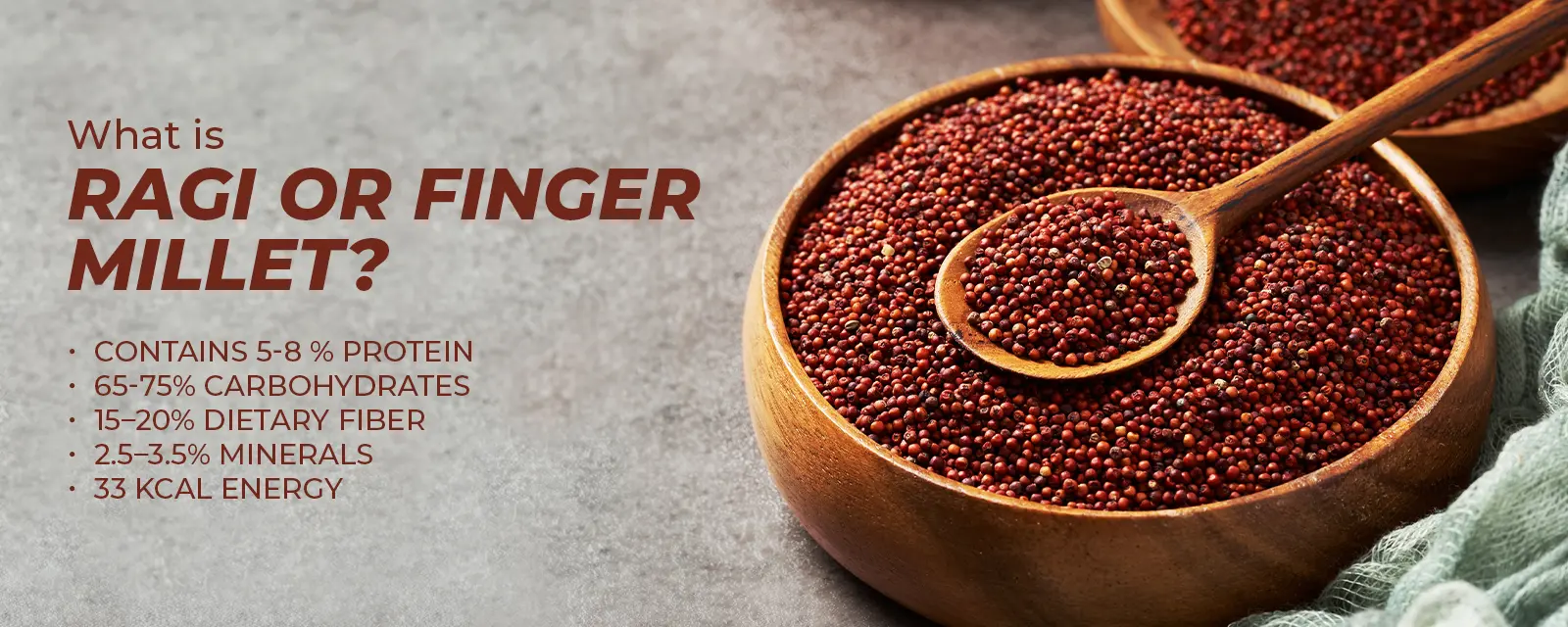
However, in the current scenario, ragi millet is not just a traditional cereal cultivated in the Indian countryside but a symbol of sustainable agriculture and a healthy lifestyle. Ragi millet is scientifically known as Eleusine coracana and is also referred to as finger millet. Ragi millet is receiving unprecedented recognition among farmers, nutrition experts, and health-conscious consumers all over the globe.
As the effects of climate change are being felt in modern-day farming practices and lifestyle diseases are on the rise globally, ragi millet is a crop that not only addresses the problem of climate change but also contributes to the health and well-being of the global population. This blog aims to enlighten the reader on the growth of ragi millet cultivation, the increasing market demand for the product, and the health benefits of the product that make it a super grain for the future.
The Agricultural Growth of Ragi Millet: A Climate Resilient Crop for Modern Day Farming
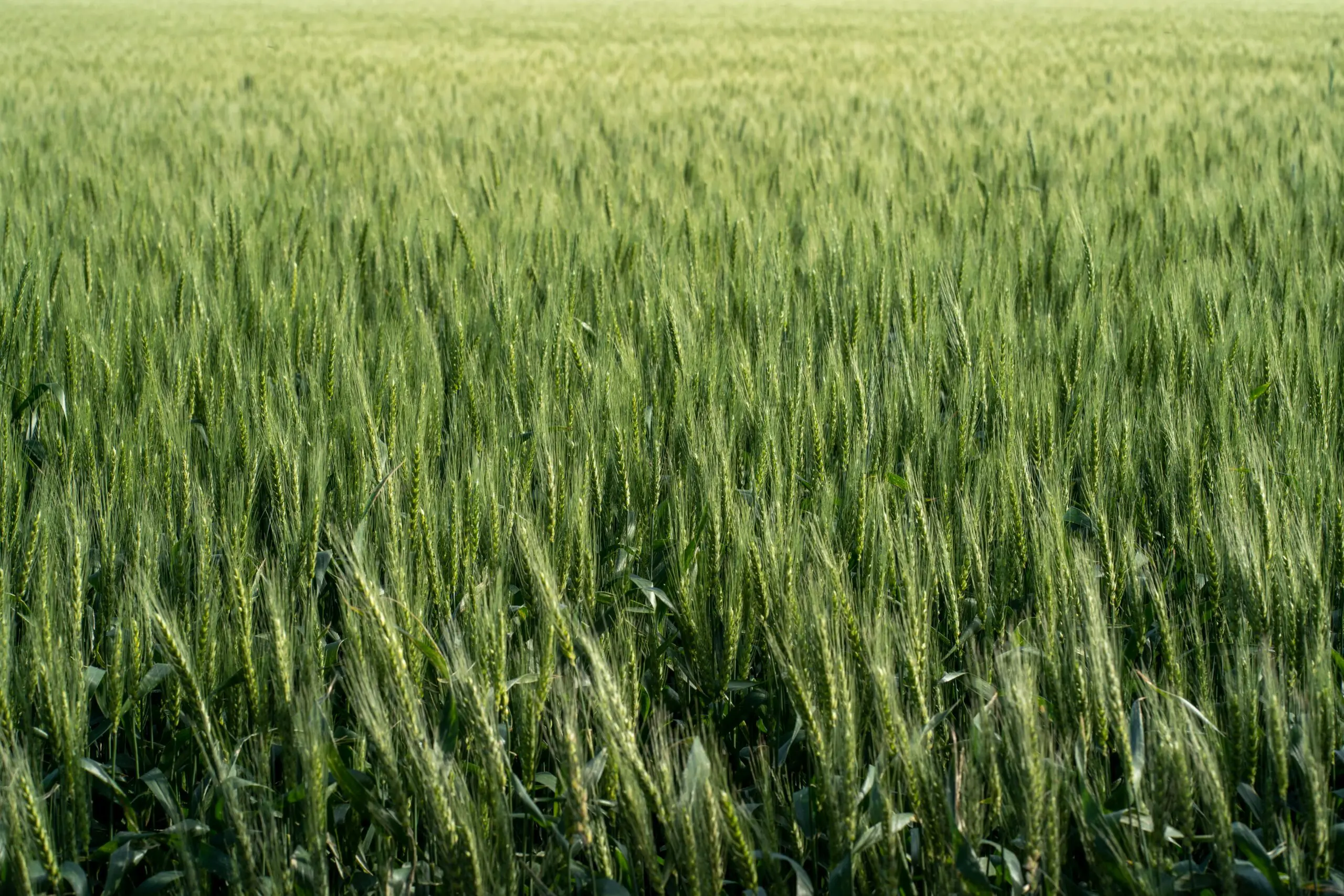
One of the major factors for the growth of ragi millet is the exceptional ability of the product to adapt to the environment. Unlike other water-intensive crops like rice and wheat, ragi millet is a dry crop that can be cultivated in arid regions. It does not require irrigation and can be grown in poor soil conditions too. This makes it a highly climate-resilient crop. This is a major boon for modern day farming practices. Some of the advantages of the product for the farmer are as follows:
Less input cost for the farmer
Less dependence on chemical fertilizers for the soil
Climate stress tolerance for the crop
Stable yield even in difficult weather conditions
Ragi millet is traditionally grown in many parts of the country, particularly in Karnataka, Tamil Nadu, Andhra Pradesh, and parts of Maharashtra.
Low Risk, High Potential Returns
The risk associated with Ragi farming is low when compared to other crops. Ragi is a hardy crop that is less prone to pests. The cost of pest control and irrigation is also less. Also, the shelf life of Ragi is higher when compared to other cereal crops.
As prices of Ragi are on the rise, more and more farmers are taking to Ragi farming. Many farmers are shifting to Ragi farming as it is a more secure business proposition.
Increasing Demand for Ragi in Local as Well as International Markets
Urban Health Revolution
The rise of diseases such as diabetes, obesity, and heart conditions has led to an increased demand for healthy food products. Ragi has re-entered the culinary scene of Indians in a new and modern avatar. Ragi is now available in many forms:
Ragi Flour
Ragi Malt & Health Drinks
Ragi Biscuits & Cookies
Millet Breakfast Cereals
Ready to Cook Dosa & Idli Mix
Energy Bars & Snacks
Young health-conscious millennials and fitness enthusiasts are increasingly looking towards millet-based diets. Gluten-free products are also becoming increasingly popular, and Ragi is an excellent fit for this category as well.
Government Initiatives and Promotion of Millets

The Government of India has promoted millets through awareness campaigns. As millets are being increasingly accepted as “nutri-cereals,” the demand for Ragi is on the rise. The demand is no longer limited to retail markets but is also being promoted through government schemes and school feeding programs. The government initiatives have helped stabilize the market, and farmers are encouraged to grow more Ragi. The exports of Ragi are also on the rise. The global market is showing increased interest in Ragi.
The demand for gluten-free products and ancient grains is increasing worldwide. Countries in Europe and North America have expressed interest in finger millet cultivation, considering its nutritional value and cultivation advantages.
With this increasing awareness, there remains a great scope for the export of ragi on a larger scale to the global market.
Health Benefits of Ragi Millet
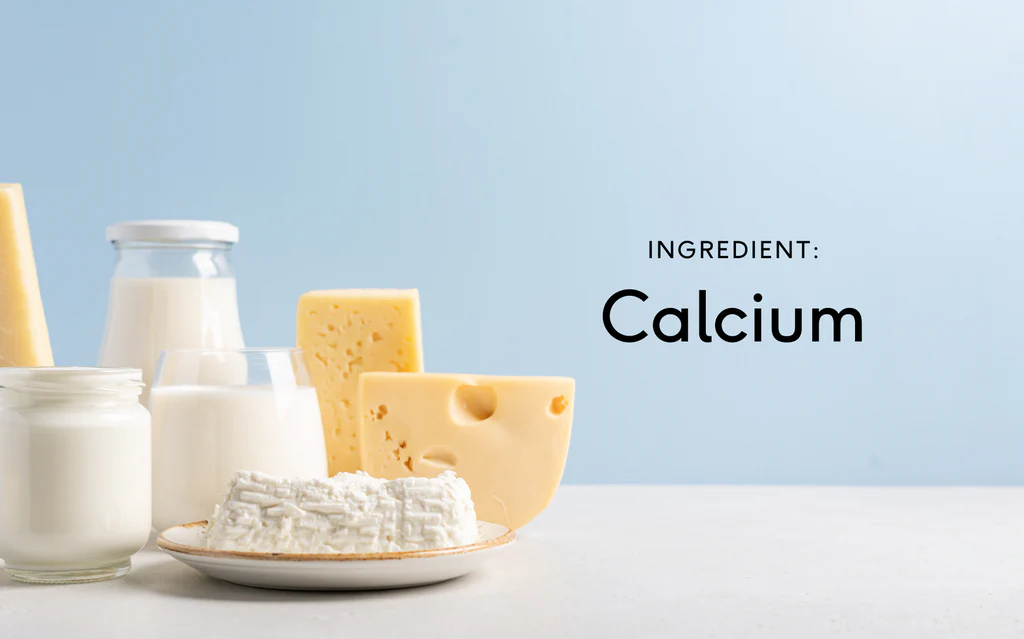
One of the strongest reasons for the popularity of ragi millet can be attributed to its nutritional benefits. It ranks at the top as one of the most nutritious cereals available in millets.
1. Rich Source of Calcium
Ragi ranks high on the list of plant-based foods that offer a rich source of calcium. The level of calcium present in ragi is significantly higher compared to rice and wheat.
It is highly beneficial for:
Growing children
Pregnant and lactating mothers
Elderly people who suffer from osteoporotic conditions
2. Excellent for Diabetes Management
Ragi millet ranks high on the glycemic index, which means that it slowly releases glucose into the bloodstream. This prevents a sudden spike in blood sugar levels.
It can be considered an excellent option for people who suffer from diabetes and other pre-diabetes conditions.
3. Excellent for Weight Management
The high fiber content present in ragi millet provides a feeling of fullness for a longer period, which prevents people from eating more and engaging in unhealthy eating habits.
It can be considered an excellent option for people who wish to follow a natural regimen to reduce weight.
4. Excellent for Improving Digestive Health
The fiber present in ragi millet can be considered an excellent option to improve digestive health and prevent constipation.
Traditional fermented ragi products also increase the digestibility of ragi and nutrient absorption.
5. Boosts Heart Health
Ragi contains antioxidants and essential amino acids, which are good for heart health. Ragi fiber also helps lower bad cholesterol or LDL. It also contains minerals that promote healthy blood circulation.
Consuming ragi regularly can promote long-term heart health.
6. Gluten-Free and Allergy-Friendly
Ragi is gluten-free, which means ragi can be used by people who are gluten intolerant or gluten sensitive. This also means ragi can be used by people with celiac disease, which is an autoimmune disease that causes gluten intolerance.
As gluten-free diets are becoming increasingly popular, ragi can be an alternative healthy food source for people worldwide.
7. Rich in Iron and Essential Nutrients
Ragi is a good source of iron, magnesium, phosphorus, and B-complex vitamins. These nutrients play an important role in the following:
Production of energy
Brain function
Production of red blood cells
Immune system function
Sprouted ragi also contains more iron, which is good for health.
Modern Uses of Ragi in Daily Diet
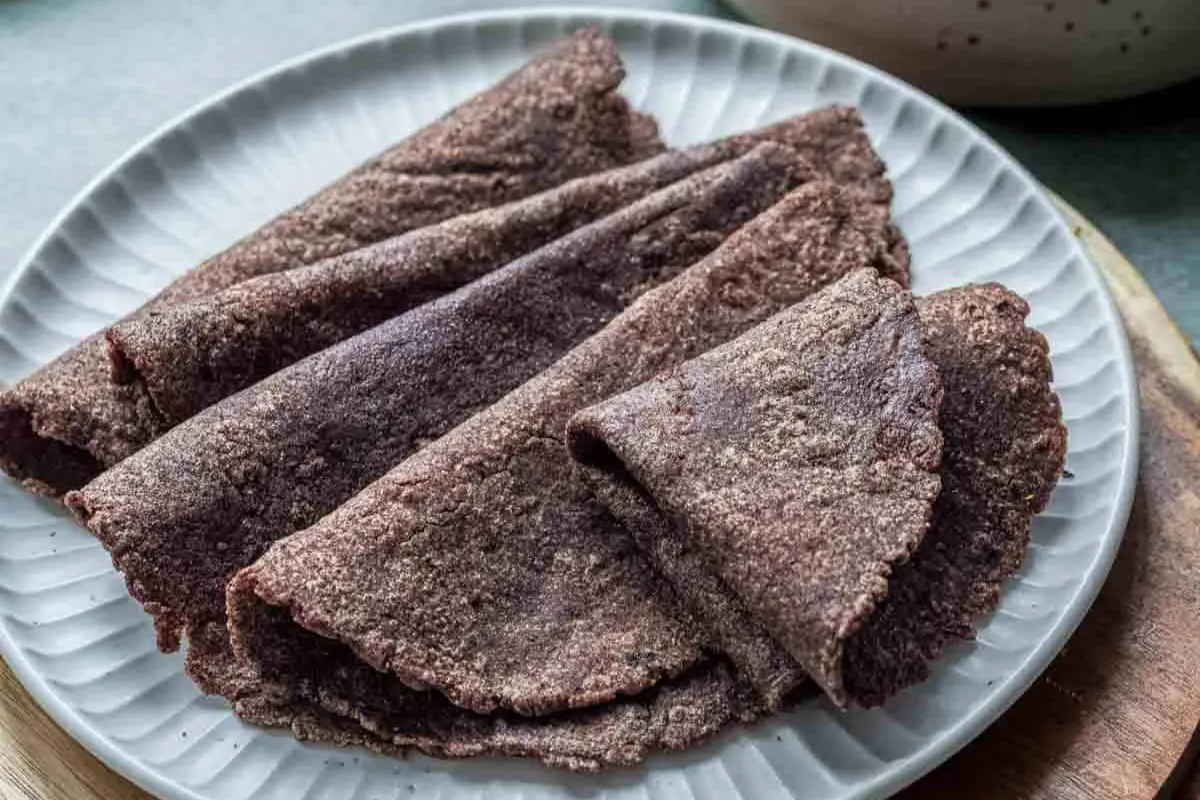
Ragi is very versatile, and there are many different ways ragi can be incorporated into daily meals. Here are a few examples:
Ragi porridge for breakfast
Ragi roti and ragi dosas for daily meals
Ragi malt, a healthy drink
Ragi laddus, a healthy dessert
Ragi pasta and ragi noodles, a new twist on an old grain
Food startups and organic brands are also offering ragi-based ready-to-eat foods, which can be easily incorporated into daily meals.
Challenges in Ragi Cultivation and Marketing
Ragi has many benefits, but there are also a few challenges that need to be addressed:
Lack of awareness among young farmers
Improvement of processing technology
Improvement of brand and packaging
Improvement of quality seeds and technology
By addressing these concerns through policy interventions, agricultural research, and private sector investments, the millet ecosystem could be further strengthened.
The Future of Ragi Millet
Ragi millet is not only an important crop; it also represents the resurgence of traditional wisdom in the field of agriculture. As the world is shifting towards sustainable and healthy food systems, millets such as ragi are likely to become mainstream food crops again.
Ragi millet possesses the following attributes:
Climate resilience
Nutritional superiority
Rising domestic demand
Expanding exports