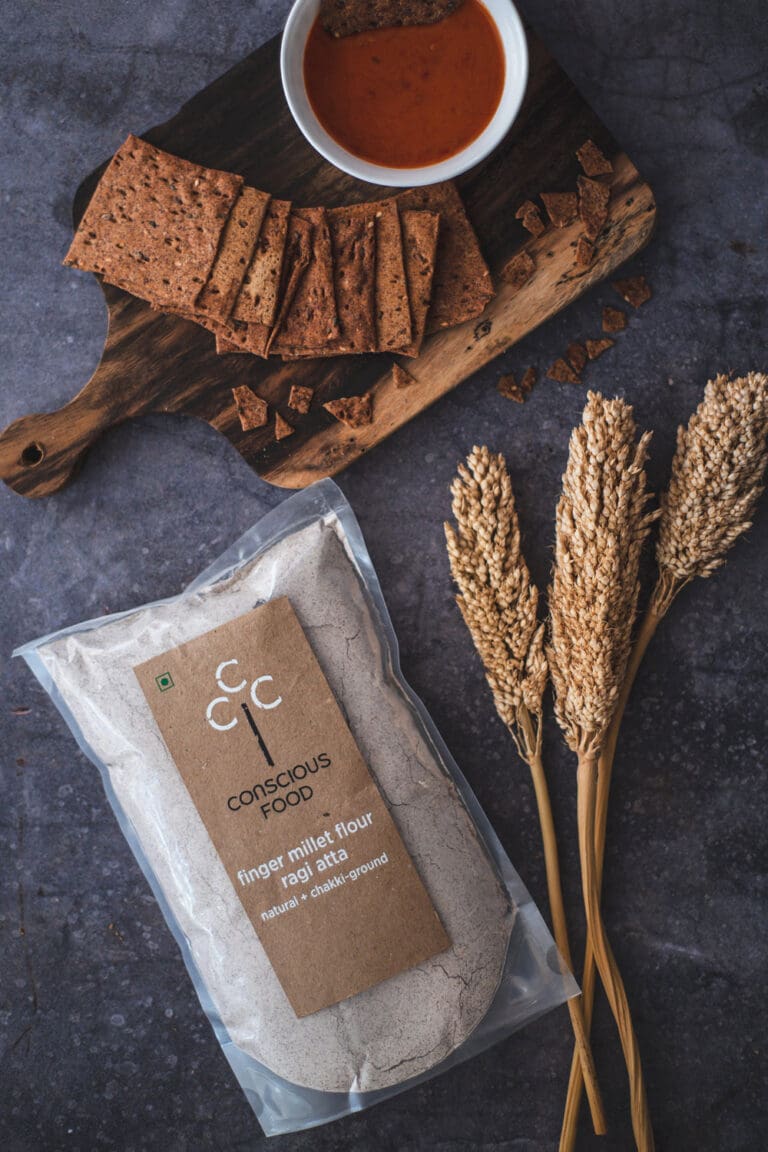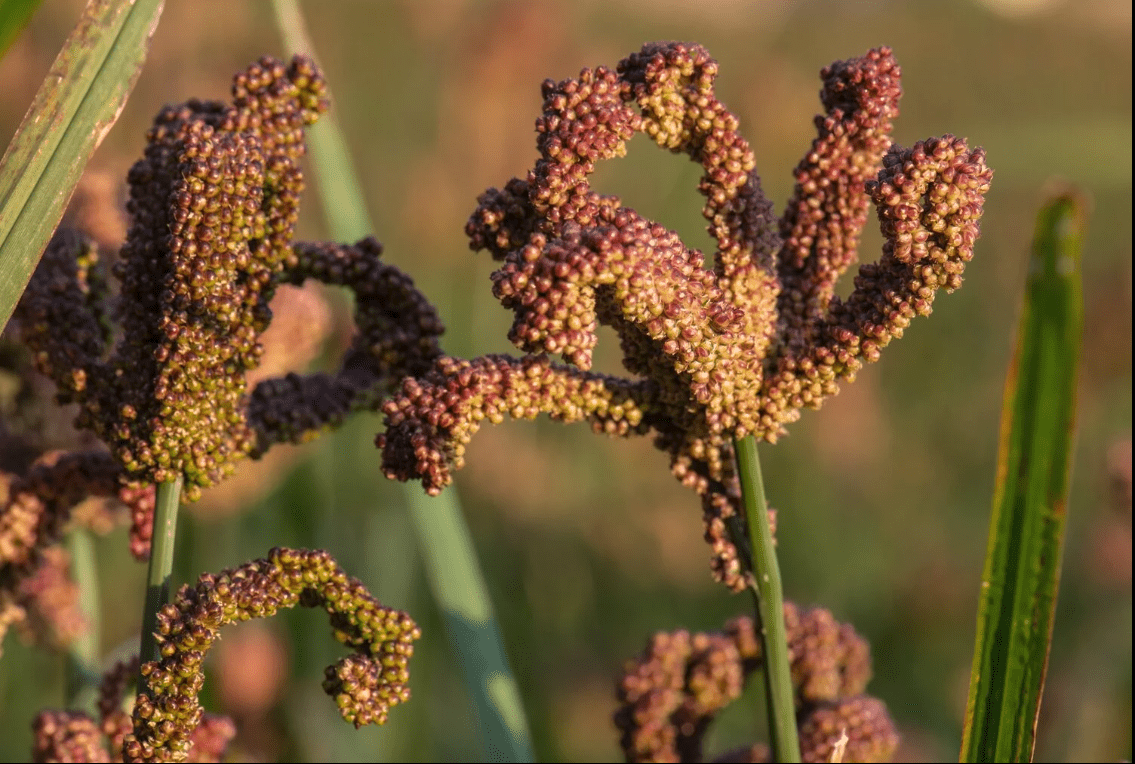
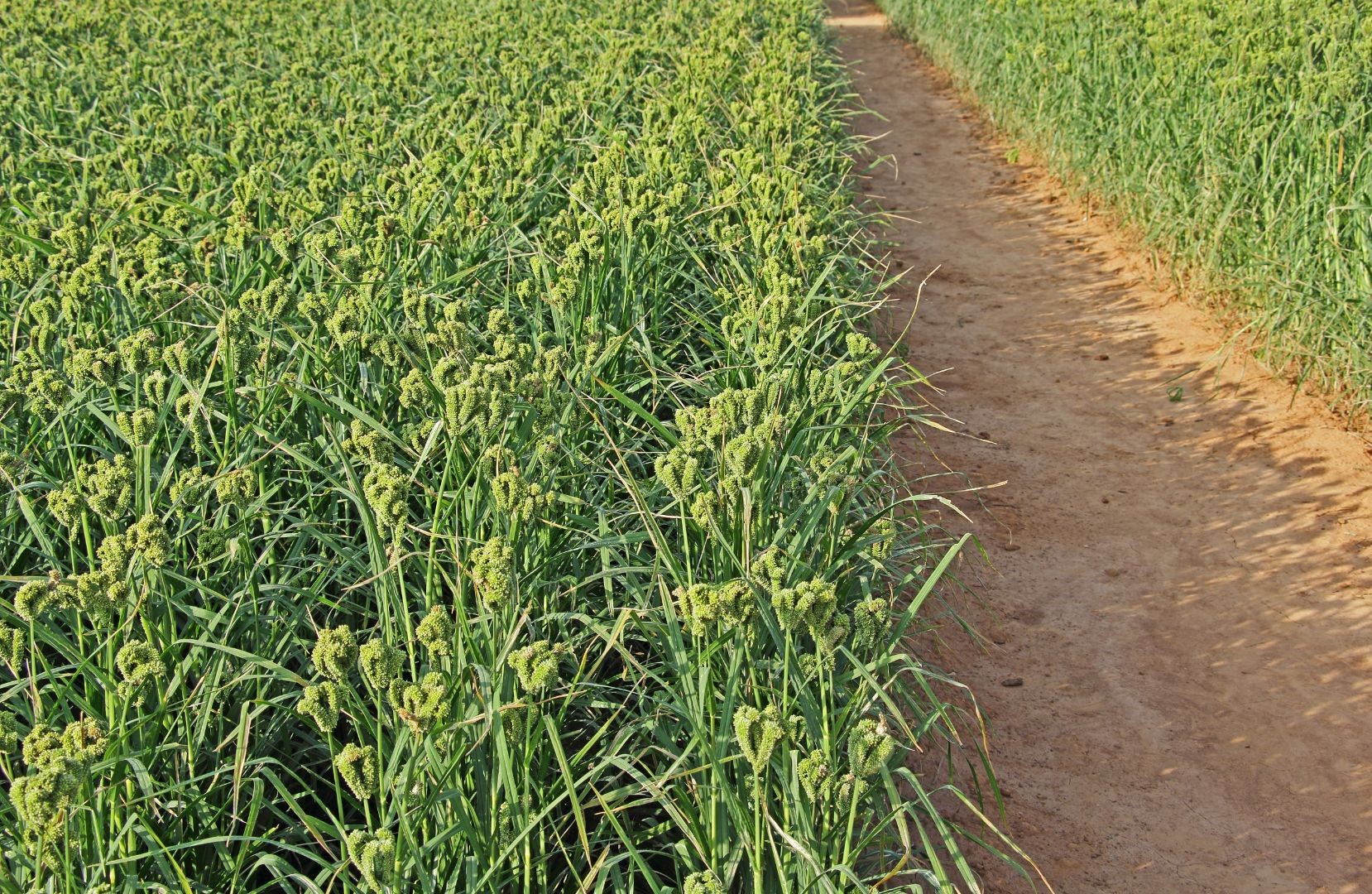
Introduction to Ragi Farming
Ragi, also known as finger millet, is one of the most resilient and nutritious cereal crops grown in India and across Africa. In recent years, ragi farming has gained significant popularity due to increasing demand for healthy, gluten-free grains.
With the global shift toward millets and traditional superfoods, ragi is now considered a “future crop” because of its climate resilience, low input cost, and high nutritional value.
🌾 What Makes Ragi a Super Crop?
Ragi stands out for several reasons:
- Highly drought-resistant
- Grows in poor soil conditions
- Requires minimal chemical inputs
- Rich in calcium, iron, and fiber
This makes it ideal for both organic farming and sustainable agriculture systems.
🌍 Climate & Soil Requirements for Ragi Farming
Climate:
- Temperature: 20°C – 30°C
- Rainfall: 500–1000 mm
- Suitable for semi-arid regions
Soil:
- Red soil, sandy loam, or black soil
- pH range: 5.0 – 7.5
- Well-drained soil is essential
🌿 Land Preparation & Sowing Methods
Land Preparation:
- 2–3 ploughings to achieve fine tilth
- Remove weeds and stones
- Level the field properly
Sowing Methods:
1. Broadcasting
Seeds are scattered manually—simple but less efficient.
2. Line Sowing (Recommended)
- Spacing: 22.5 cm between rows
- Better yield and weed control
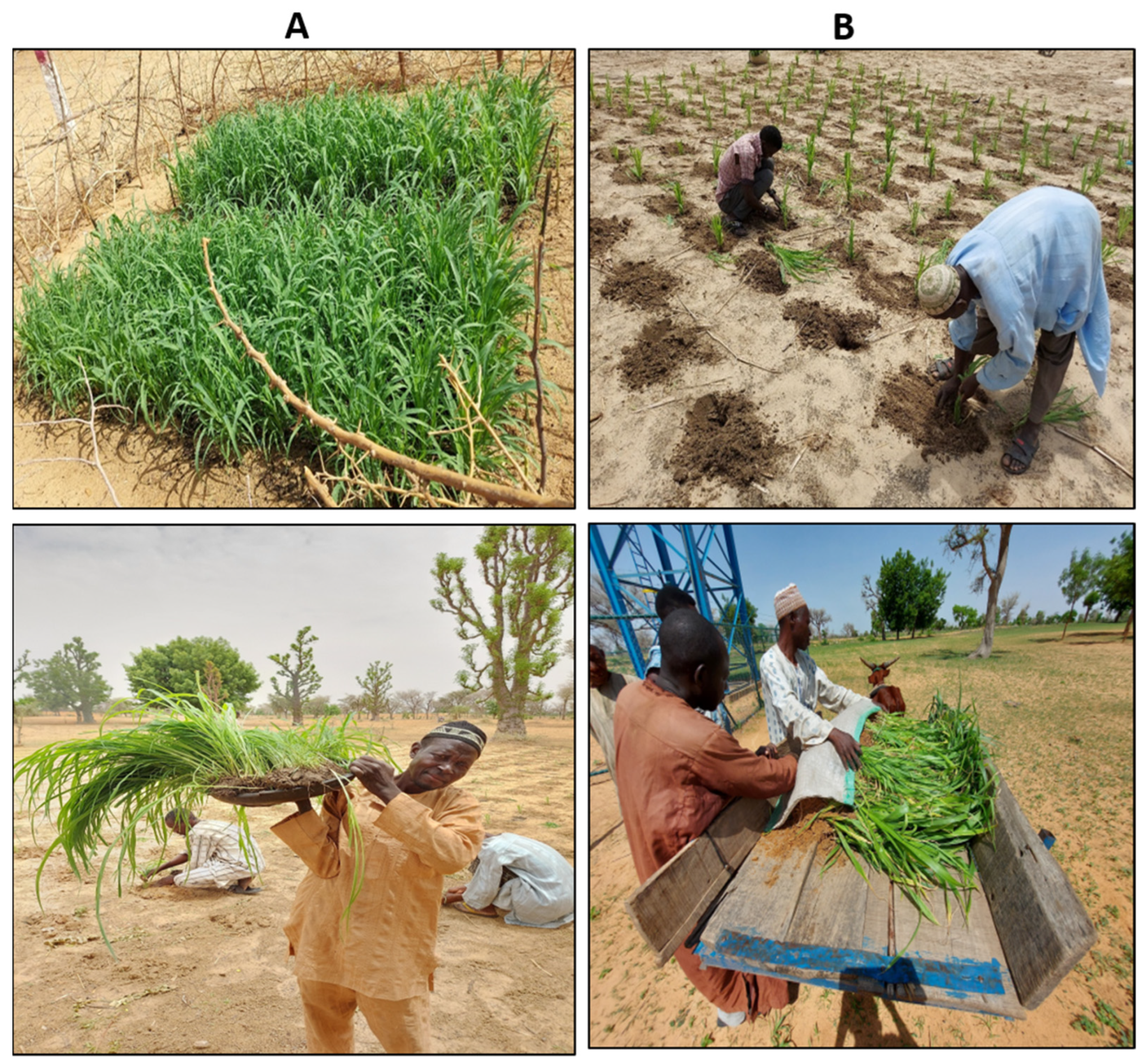
3. Transplanting Method
4
- Nursery raised seedlings transplanted into the field
- Higher productivity and uniform growth
🌱 Seed Selection & Varieties
Popular Ragi Varieties:
- GPU-28
- GPU-67
- CO-15
- MR-1
Seed Rate:
- Broadcasting: 10–15 kg/acre
- Line sowing: 5 kg/acre
Seed Treatment:
- Use bio-fertilizers like Azospirillum
- Trichoderma for disease resistance
🌾 Organic Ragi Farming Practices
1. Natural Fertilization
- Farmyard manure (FYM): 2–3 tons/acre
- Vermicompost
- Panchagavya spray
2. Weed Management
- First weeding: 15–20 days after sowing
- Second weeding: 30–35 days
3. Pest & Disease Control
Common issues:
- Blast disease
- Stem borers
Solutions:
- Neem oil spray
- Biological fungicides
💧 Irrigation Management
Ragi is mostly rain-fed but benefits from irrigation:
- Critical stages:
- Flowering
- Grain filling
- Avoid waterlogging
🌾 Harvesting & Yield
Harvest Time:
- 90–120 days after sowing
Signs of Maturity:
- Ear heads turn brown
- Grains become hard
Yield:
- Average: 8–12 quintals/acre
- With improved practices: up to 15 quintals/acre
💰 Profit per Acre in Ragi Farming
Cost of Cultivation:
- Seeds, labor, land prep: Moderate
- Low fertilizer cost (especially organic)
Income:
- Market price: ₹25–₹40/kg (varies)
Net Profit:
- ₹25,000 – ₹60,000 per acre
Ragi farming is especially profitable due to low input cost and stable demand.
🥣 High-Demand Ragi Products
Value addition significantly increases income.
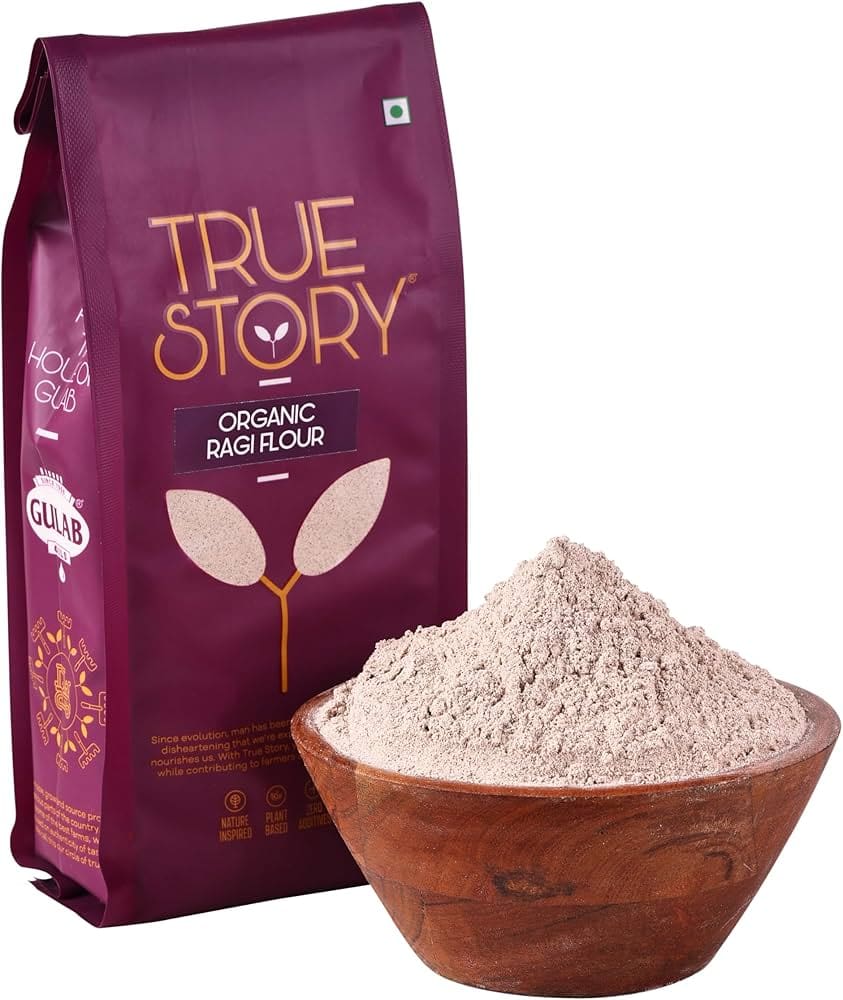
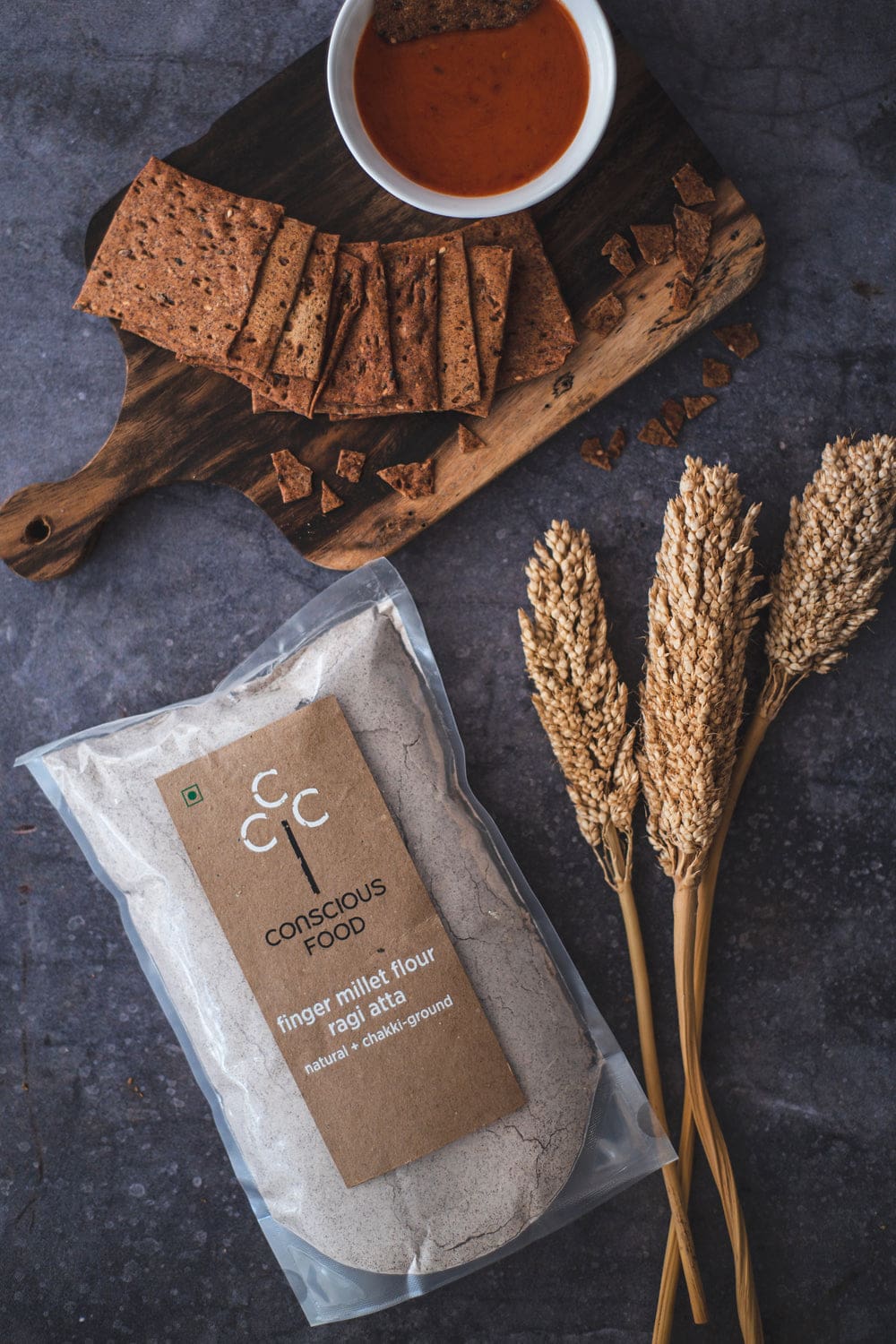
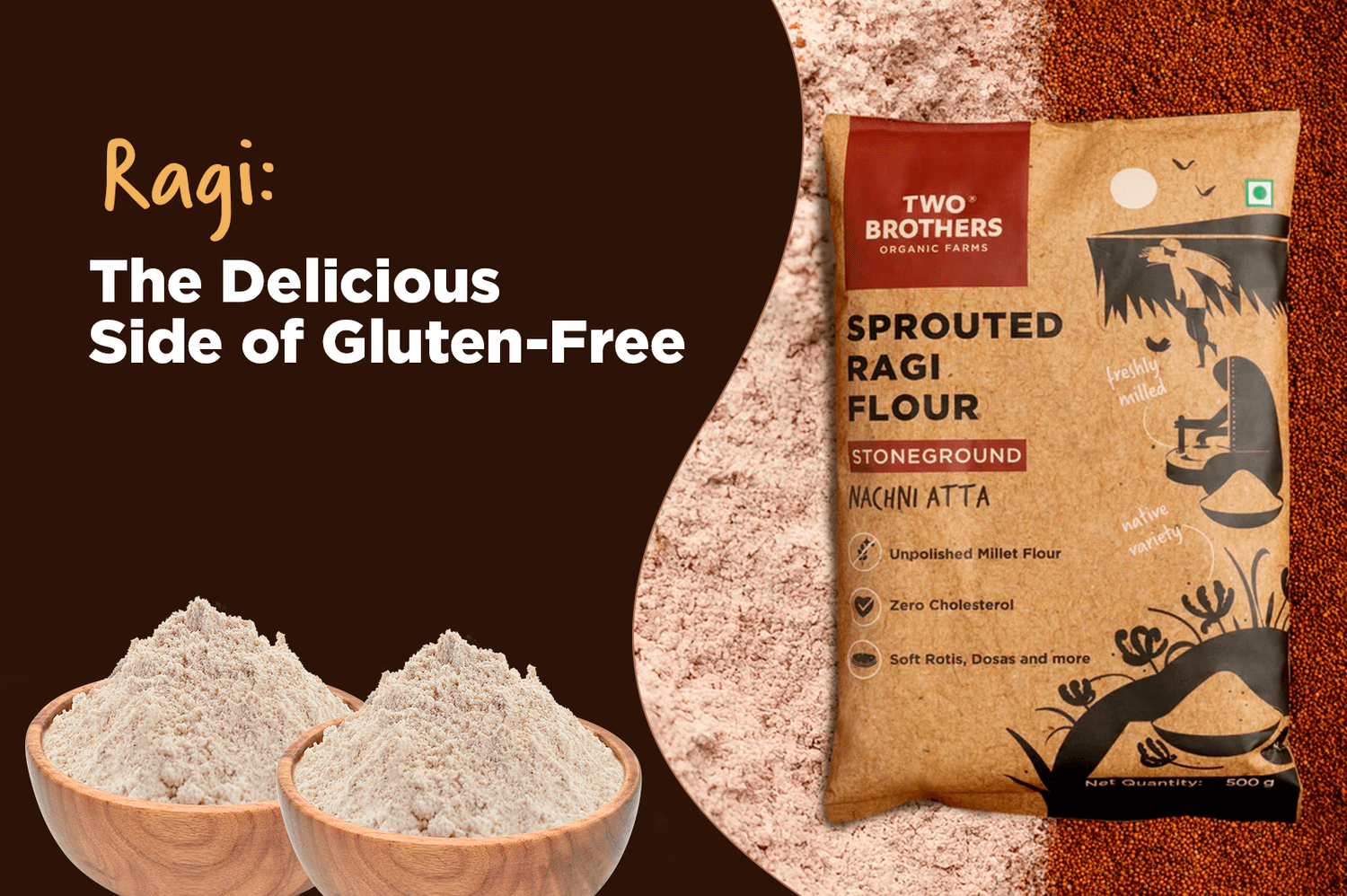
🌾 1. Ragi Flour
4
- Used for rotis, porridge, baby food
- High demand in urban markets
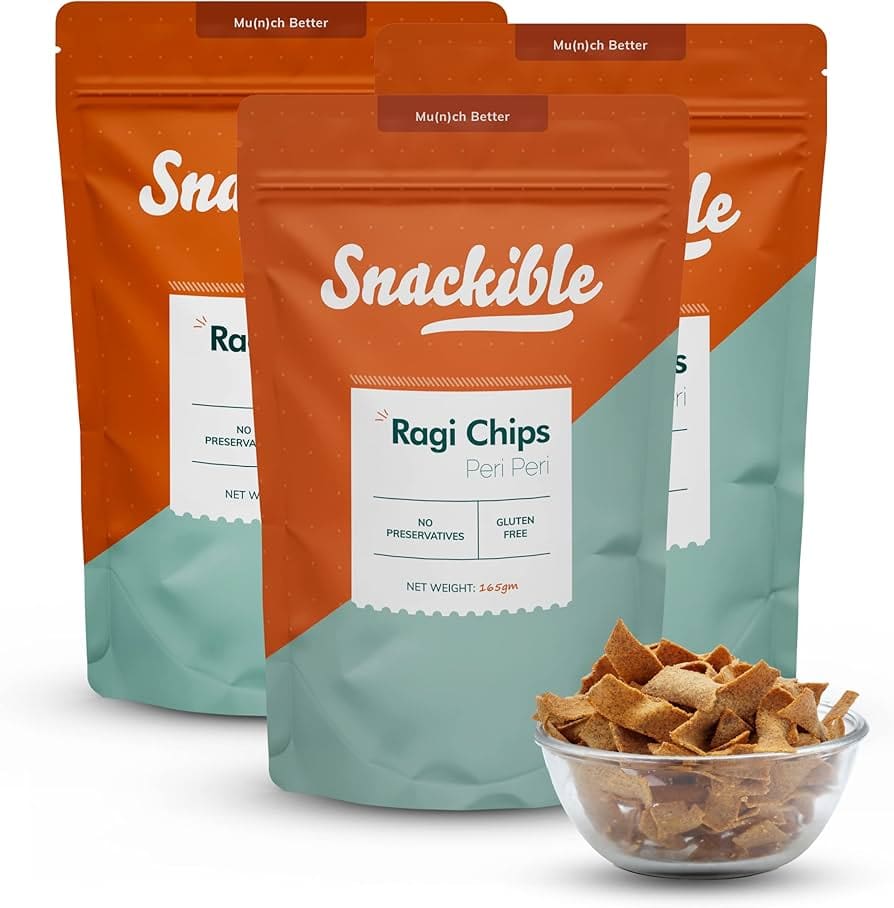
🍪 2. Ragi Biscuits & Snacks


4
- Popular in health-conscious consumers
- Growing bakery segment
🥤 3. Ragi Malt (Health Drink)
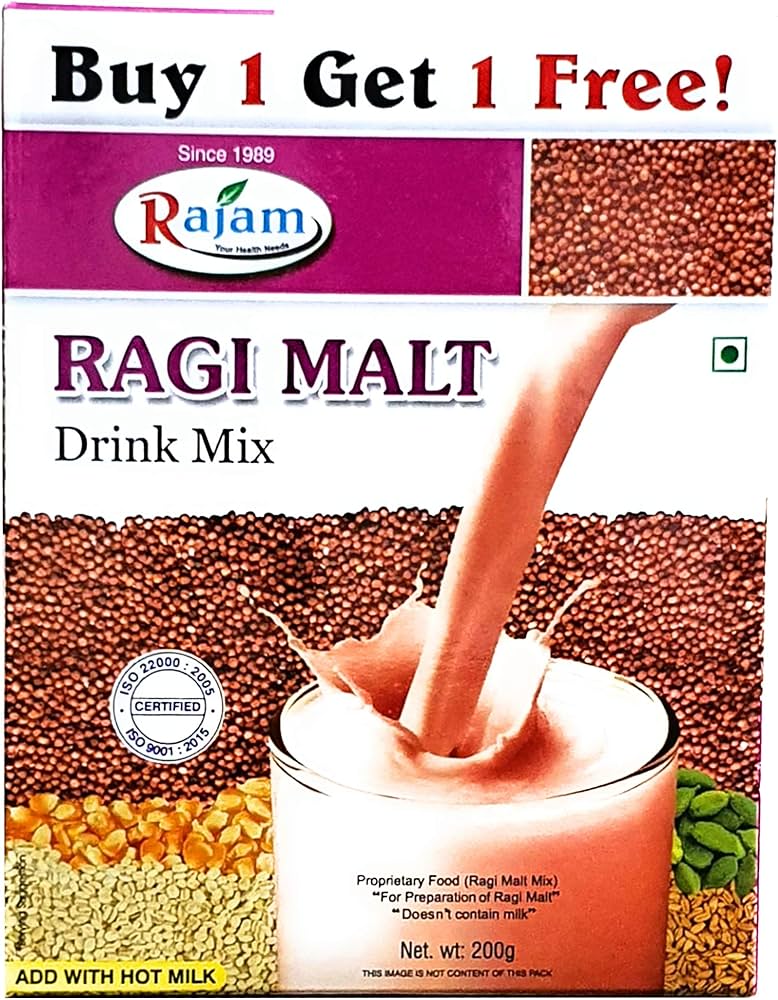
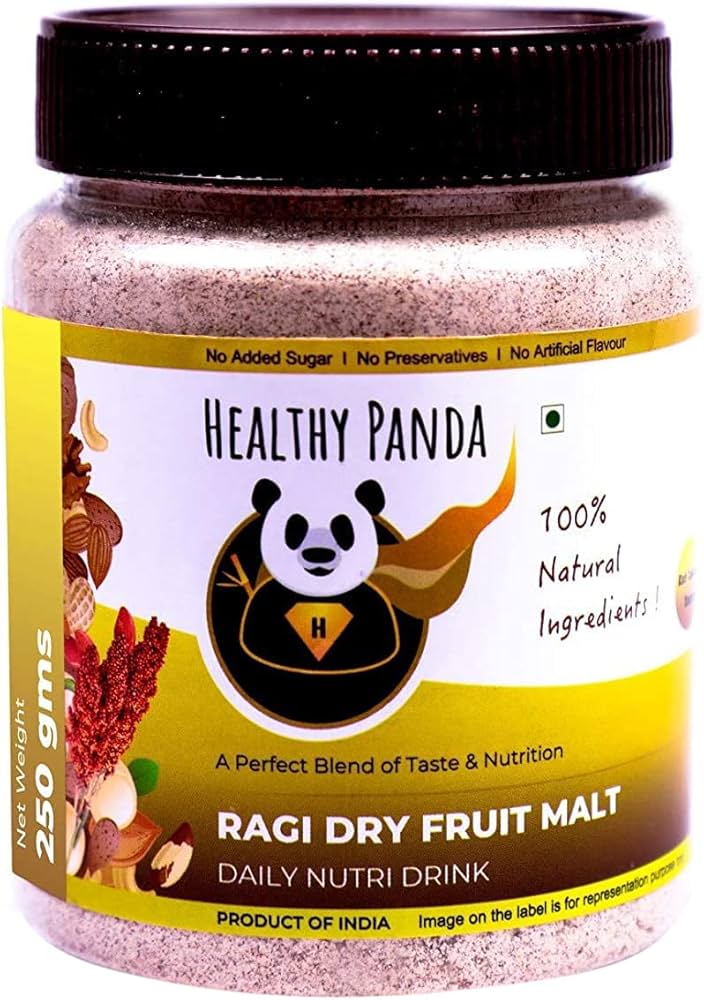

4
- Ideal for children and elderly
- Strong demand in South India
🍜 4. Ragi Noodles & Pasta
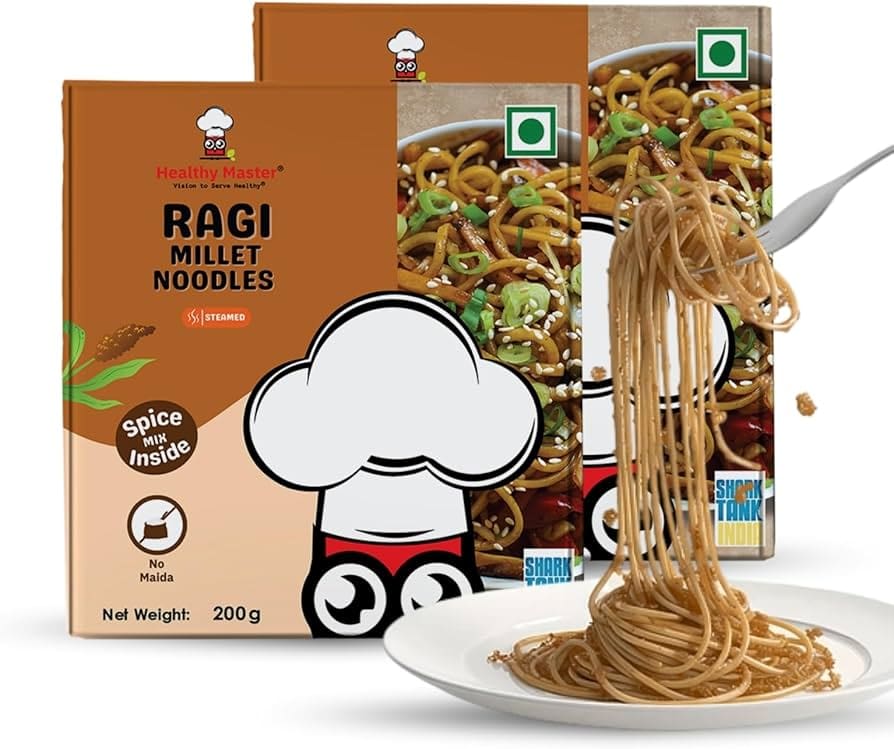

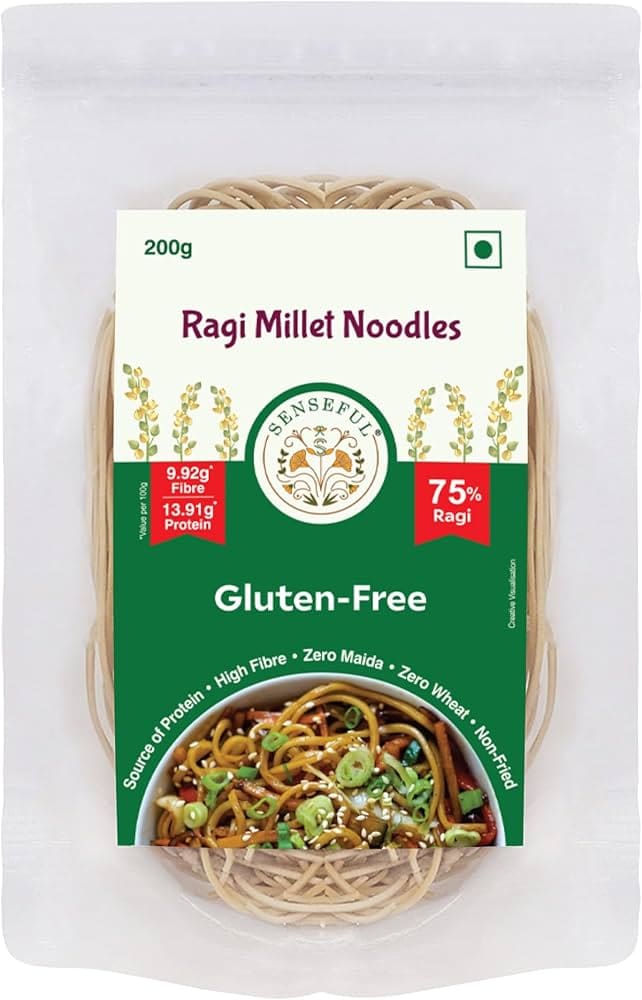
4
- Fast-growing urban market
- Competes with wheat products
🧁 5. Ragi Cakes & Bakery Items



4
- Used in premium health bakeries
📈 Market Demand & Trends
Why Ragi is Trending:
- Gluten-free grain
- Diabetes-friendly food
- Government promotion of millets
Export Potential:
Countries importing millets:
- USA
- Canada
- UAE
🚀 Business Opportunities in Ragi Farming
Export business
Organic ragi brand
Millet flour processing unit
Healthy snack manufacturing
Direct-to-consumer (D2C) sales
Future of Ragi Farming (2026–2030)
- Millet revolution supported by governments
- Increased demand for organic grains
- Growth in millet-based startups
- Expansion in global health food market
✅ Conclusion
Ragi farming is one of the most sustainable and profitable agricultural practices in today’s changing climate. With minimal investment, high nutritional value, and increasing global demand, it offers a reliable income source for farmers.
By adopting organic methods and focusing on value-added products like ragi flour, malt, and snacks, farmers can significantly enhance their profits and tap into the booming health food market.