
Introduction to Organic Coconut Farming
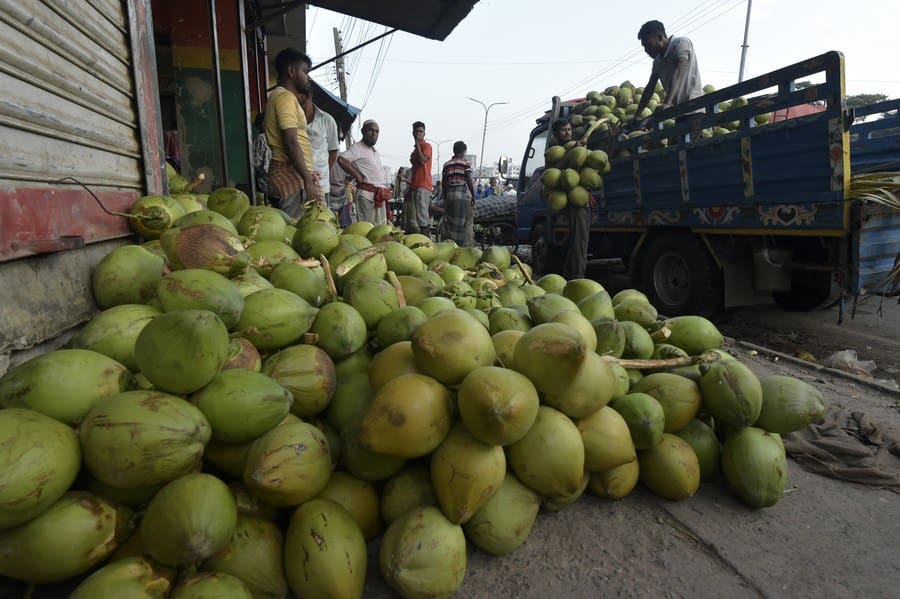
Organic coconut farming is rapidly becoming one of the most profitable and sustainable agricultural practices in tropical regions. With rising global awareness about chemical-free food, eco-friendly farming, and natural products, coconuts have emerged as a “tree of life” offering immense economic and environmental benefits.
Unlike conventional farming, organic coconut cultivation eliminates synthetic fertilizers and pesticides, focusing instead on natural inputs, soil health, and biodiversity. This approach not only improves yield quality but also enhances long-term farm sustainability.
Countries like India, Sri Lanka, Indonesia, and the Philippines are leading producers, while global demand is driven by health-conscious consumers in the US, Europe, and the Middle East.
🌴 Why Organic Coconut Farming is Booming in 2026
1. Rising Demand for Natural Products
Consumers are shifting toward organic food, skincare, and wellness products. Coconut-based products are widely used in all three sectors.
2. Multi-Product Crop Advantage
A single coconut tree can generate multiple income streams—from water to oil, shell to husk.
3. Export Potential
Organic-certified coconuts fetch premium prices in international markets.
4. Climate Resilience
Coconut trees are relatively drought-tolerant and suitable for coastal regions.
🌿 Ideal Conditions for Coconut Cultivation
Climate:
- Tropical and humid climate
- Temperature: 20°C to 35°C
- Rainfall: 1000–2500 mm annually
Soil:
- Well-drained sandy loam or alluvial soil
- pH: 5.0 to 8.0
Spacing:
- 7.5m x 7.5m recommended
Varieties:
- Tall varieties (long lifespan)
- Dwarf varieties (early yield)
- Hybrid varieties (high productivity)
🌾 Organic Farming Practices for Coconut
1. Soil Enrichment
Use:
- Farmyard manure (FYM)
- Vermicompost
- Green manure crops
2. Natural Pest Control
- Neem oil spray
- Trichoderma fungi
- Pheromone traps
3. Irrigation Techniques
- Drip irrigation for water efficiency
- Mulching to retain soil moisture
4. Intercropping
Grow crops like:
- Banana
- Pineapple
- Cocoa
This increases income and improves soil fertility.
🥥 High-Demand Coconut Products (2026 Market Trends)
Organic coconut farming becomes truly profitable when farmers tap into value-added products. Here are the top high-demand coconut products:
🥥 1. Virgin Coconut Oil (VCO)
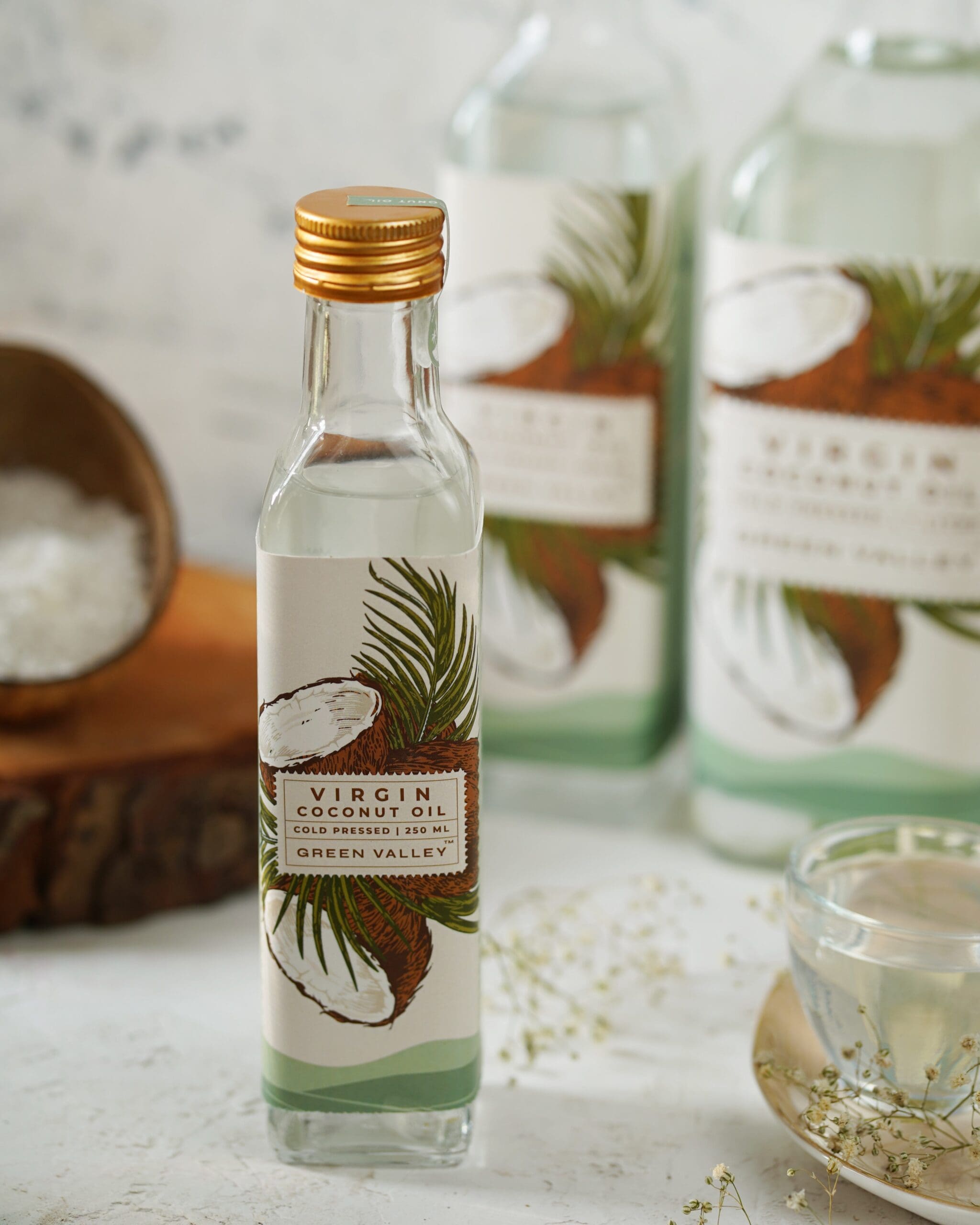
Virgin coconut oil is one of the most sought-after products globally due to its health and cosmetic benefits.
Uses:
- Cooking oil
- Hair care
- Skin moisturizer
Market Insight:
High demand in the wellness and beauty industry.
🥥 2. Coconut Water
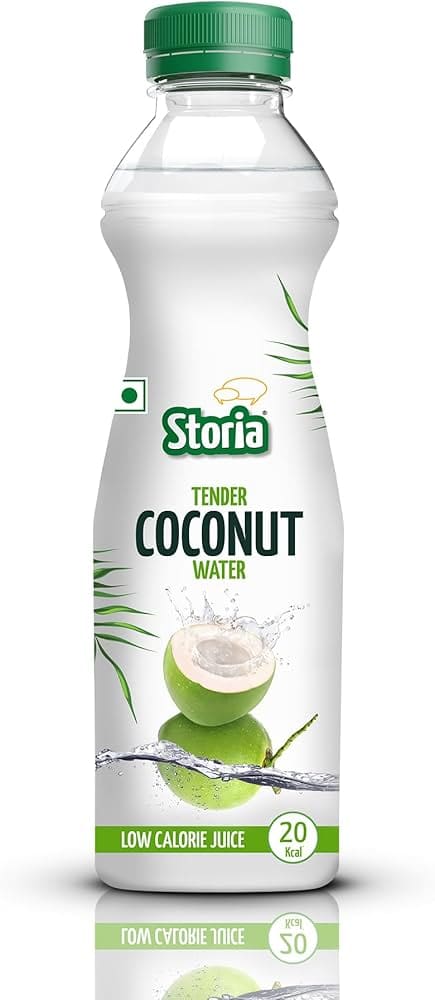
Natural coconut water is marketed as a healthy alternative to sugary drinks.
Benefits:
- Rich in electrolytes
- Hydration drink
Business Tip:
Packaged coconut water has strong export potential.
🥥 3. Desiccated Coconut Powder
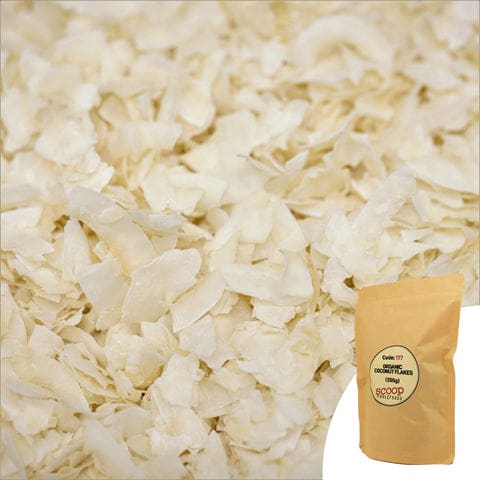
Used extensively in:
- Bakery
- Confectionery
- Ready-to-eat foods
🥥 4. Coconut Sugar
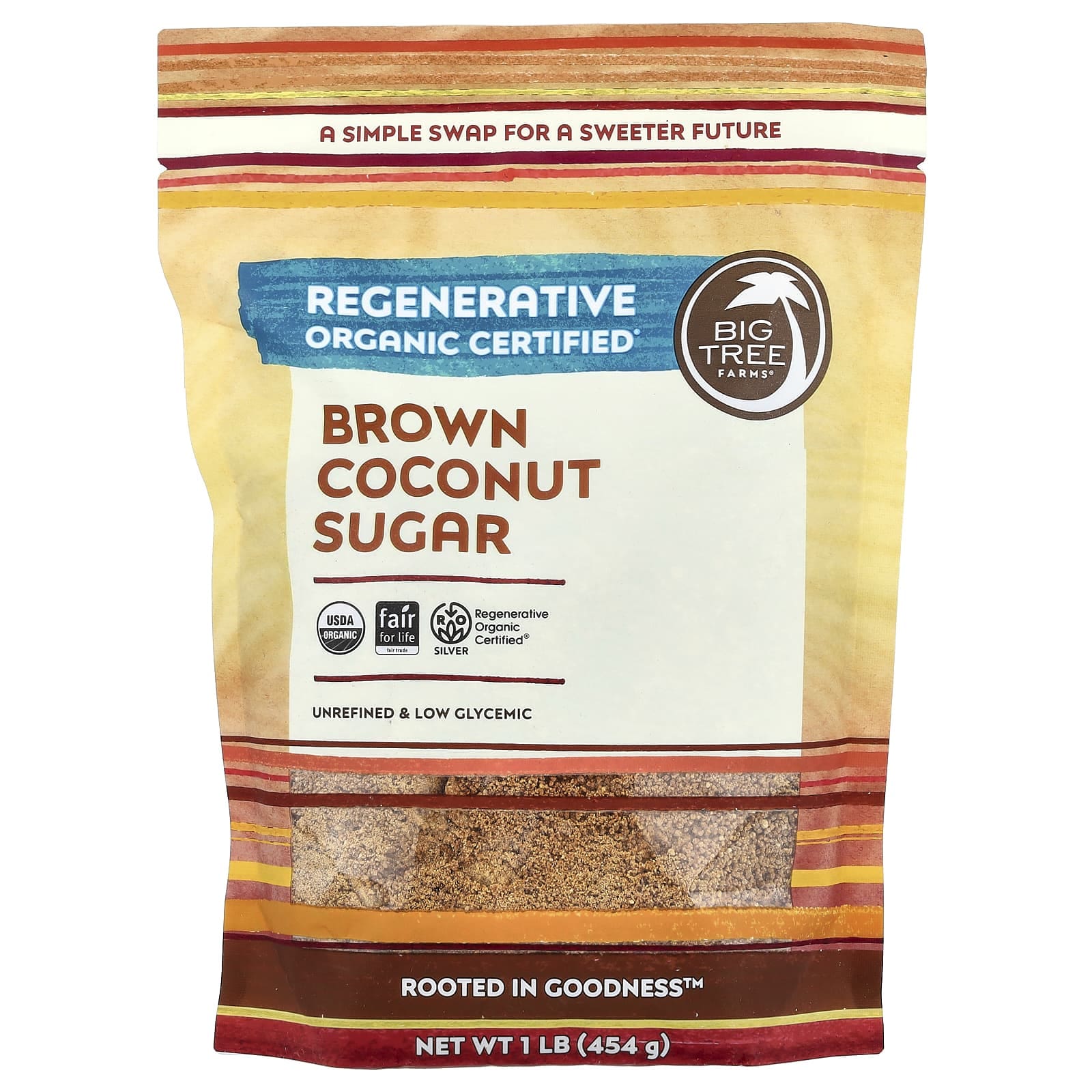
A healthier alternative to refined sugar.
Why it’s trending:
- Low glycemic index
- Natural sweetener
Derived from coconut husk.
Products include:
- Ropes
- Mats
- Geo-textiles
- Plant pots
🥥 6. Activated Carbon from Coconut Shell
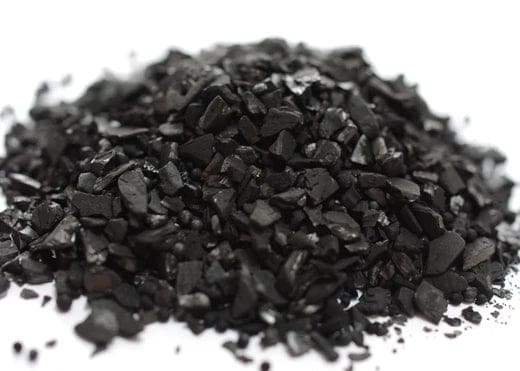
Used in:
- Water purification
- Air filters
- Gold extraction
🥥 7. Coconut Milk & Cream
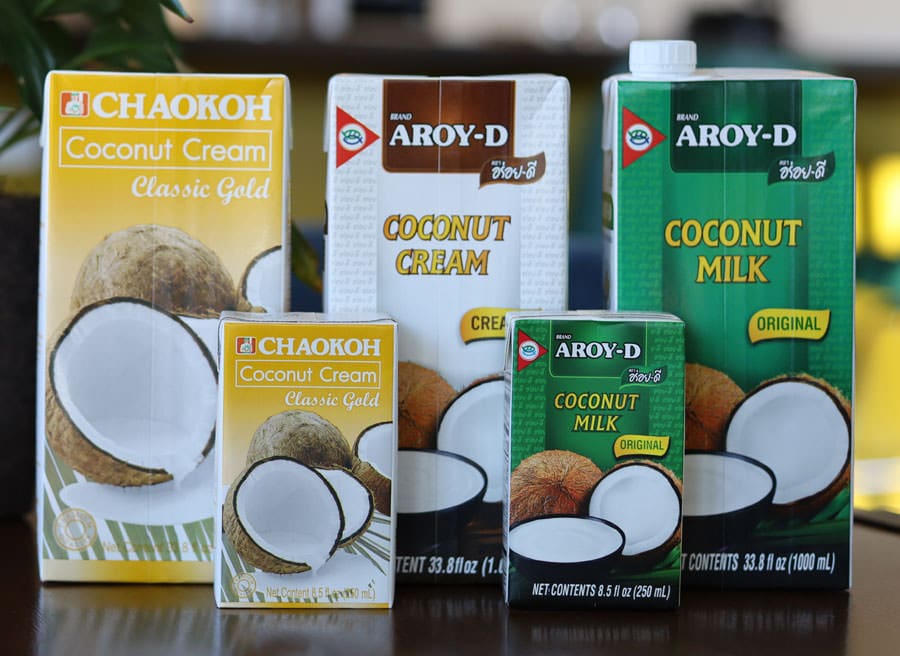
Highly popular in vegan and lactose-free diets.
💰 Profitability of Organic Coconut Farming
Initial Investment:
- Land preparation
- Seedlings
- Irrigation setup
Yield Timeline:
- Dwarf varieties: 3–4 years
- Tall varieties: 6–8 years
Average Yield:
- 80–120 nuts/tree/year
Income Streams:
- Raw coconuts
- Processed products
- By-products (fiber, shell)
Estimated ROI:
Organic farmers can earn 20–40% higher income compared to conventional farming due to premium pricing.
🌍Export Opportunities
Top importing countries:
- USA
- Germany
- UAE
- UK
Organic certification (like USDA Organic or India Organic) significantly increases export value.
Future Trends in Coconut Industry (2026–2030)
- Rise in vegan coconut products
- Increased demand for coconut-based bio-products
- Automation in coconut processing
- Organic farming subsidies by governments
Conclusion
Organic coconut farming is not just a traditional practice—it’s a modern, profitable agribusiness opportunity. With growing global demand for organic and sustainable products, farmers can significantly increase their income by adopting organic methods and focusing on value-added coconut products.
From virgin coconut oil to activated carbon, every part of the coconut tree has commercial value. By combining smart farming practices with market awareness, coconut farmers can build a sustainable and high-income agricultural business.