11 Powerful Health Benefits of Eating Flax Seeds Daily
Flax seeds, tiny nutty-flavored seeds originating from ancient Egypt and China, have been part of human diets for thousands of years. Today, they are celebrated worldwide as a nutrient-dense superfood packed with omega-3 fatty acids, lignans, and dietary fiber. Incorporating flax seeds into your daily diet can support heart health, hormonal balance, weight management, skin health, and even reduce the risk of certain cancers. This blog post explores the 11 compelling health benefits of flax seeds while also addressing potential risks and considerations when consuming them.
Introduction to Flax Seeds
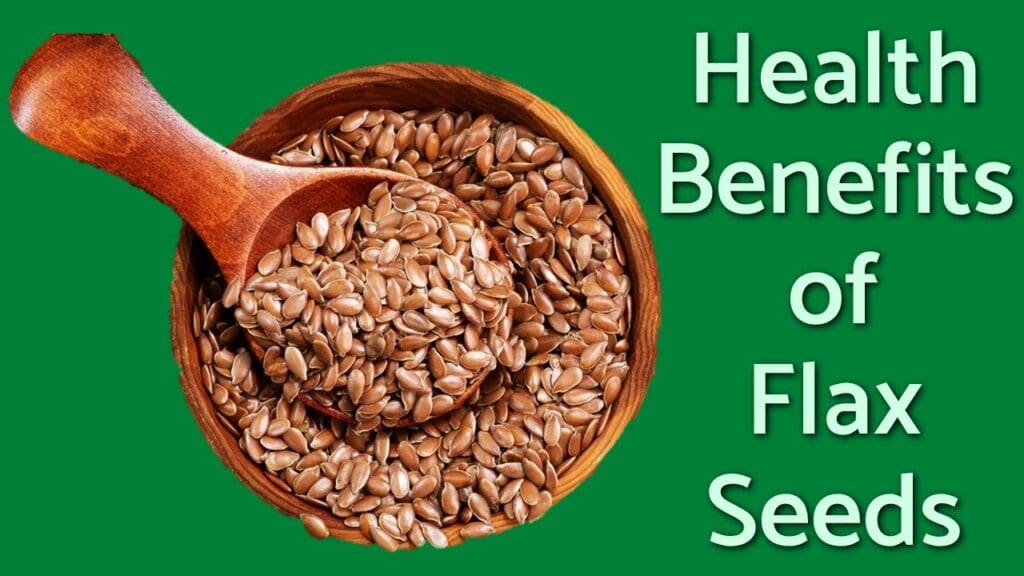
Flax seeds are an ancient superfood that has recently gained widespread popularity due to their impressive nutrient profile and associated health benefits. Despite this, average consumption remains low, particularly in Western countries like the United States. These tiny seeds are rich in essential fatty acids, fiber, and lignans—plant compounds with antioxidant and hormone-like properties. Before adding flax seeds to your diet, it is advisable to consult a healthcare provider, especially if you have allergies, dietary restrictions, or health conditions.
1. Rich Source of Omega-3 Fatty Acids
Understanding Alpha-Linolenic Acid (ALA)
Flax seeds are one of the richest plant-based sources of omega-3 fatty acids, specifically alpha-linolenic acid (ALA). ALA is an essential fatty acid that the human body cannot produce and must obtain through diet. This fatty acid plays a critical role in reducing chronic inflammation, which is linked to cardiovascular diseases.
Cardiovascular Benefits
ALA helps maintain healthy blood vessels by mitigating inflammation that can cause artery hardening and narrowing. It also reduces the production of clot-forming substances, lowering the risk of strokes caused by blocked arteries. Studies involving over 1,500 participants have shown that consuming at least 1 gram of ALA daily correlates with a lower prevalence of arterial plaques and reduced stroke risk.
2. High in Dietary Fiber for Digestive Health
Soluble and Insoluble Fiber
Flax seeds contain both soluble and insoluble fiber, which work synergistically to promote digestive health. Soluble fiber absorbs water, slows digestion, and prolongs fullness, helping regulate appetite. Insoluble fiber adds bulk to stool, facilitating regular bowel movements and preventing constipation.
Prebiotic Effects
The soluble fiber in flax seeds acts as a prebiotic, feeding beneficial gut bacteria. A healthy gut microbiome is linked to improved immune function and reduced systemic inflammation. Animal studies also highlight flax seed extract’s potential to reduce diarrhea by slowing intestinal motility and combating diarrhea-causing bacteria.
3. Promotes Hormonal Balance
Role of Lignans
Lignans, abundant in flax seeds, are phytoestrogens—plant compounds that mimic estrogen. These compounds help regulate menstrual cycles and ease menopausal symptoms such as hot flashes and mood swings by acting as mild estrogen replacements.
Benefits for Women with PCOS
Women with polycystic ovarian syndrome (PCOS) often experience elevated androgen levels. Supplementation with 30 grams of flax seeds daily for four months has been shown to reduce serum testosterone levels by up to 50%, effectively managing hormonal imbalances.
4. Supports Weight Management
Satiety and Appetite Control
Flax seeds contribute to weight management through their fiber, protein, and omega-3 fatty acids. The high fiber content promotes satiety, reducing overall calorie intake by controlling hunger and slowing digestion. Protein also extends fullness by taking longer to digest.
Research on Weight Loss
A meta-analysis found that consuming 30 grams or more of flax seeds daily for 12 weeks led to significant reductions in body weight, body mass index (BMI), and waist circumference—particularly beneficial for overweight and obese individuals.
5. Improves Cholesterol Levels
Soluble Fiber and Omega-3 Synergy
The soluble fiber in flax seeds binds cholesterol in the digestive tract, promoting its excretion and reducing LDL (bad) cholesterol in the bloodstream. Concurrently, ALA reduces inflammation and plaque buildup in arteries, further supporting heart health.
Clinical Evidence
A crossover trial involving 17 subjects showed flax seed fiber drinks lowered total cholesterol and LDL cholesterol by 12% and 15%, respectively. Additionally, fecal fat excretion increased by 50%, indicating effective cholesterol removal.
6. Lowers Blood Pressure
Enhancing Blood Vessel Function
Omega-3 fatty acids improve the elasticity and function of blood vessels, allowing better regulation of blood flow and pressure. Flax seeds’ antioxidant properties reduce oxidative stress damage, promoting vascular health.
Role of Potassium
Flax seeds also contain potassium, which balances sodium levels and relaxes blood vessel walls, contributing to healthy blood pressure levels.
Research Findings
An analysis of 11 studies revealed that flax seed supplementation could reduce systolic blood pressure by 2 mmHg and diastolic pressure by about 1–1.2 mmHg, with more pronounced effects over 12 weeks.
7. Controls Blood Sugar Levels
Mechanism of Soluble Fiber
Soluble fiber in flax seeds slows sugar absorption by forming a viscous gel in the digestive tract, leading to steadier blood glucose levels and preventing spikes.
Lignans and Insulin Sensitivity
Lignans enhance cellular insulin response, helping stabilize blood sugar. In a study with type 2 diabetic subjects, daily intake of 10 grams of flax seed powder for one month resulted in a 20% reduction in fasting blood glucose and a 16% decrease in glycated hemoglobin.
8. Enhances Skin Health
Omega-3 Fatty Acids for Skin Integrity
The omega-3s in flax seeds maintain the skin’s barrier, locking in moisture and protecting against environmental damage. This reduces dryness and promotes smoother, hydrated skin.
Anti-Inflammatory and Antioxidant Benefits
Anti-inflammatory effects help reduce redness and irritation associated with conditions like eczema and acne. Lignans’ antioxidant properties protect against premature aging by neutralizing free radicals, thereby reducing fine lines and wrinkles.
Clinical Evidence
A 12-week flax seed oil supplementation study showed improvements in skin sensitivity, dryness, roughness, and hydration.
9. Boosts Immune Function
Modulating Immune Responses
Alpha-linolenic acid influences the production of eicosanoids, molecules vital for immune regulation. Lignans add antioxidant protection to immune cells, reducing excessive inflammation that can impair immune function.
Research Insights
Flax seed oil supplementation has been linked to enhanced immune cell activity and decreased pro-inflammatory markers, suggesting improved ability to fight infections and diseases.
10. Supports Brain Health
Omega-3s and Brain Function
ALA is a key component of brain cell membranes and supports neurogenesis (new neuron formation) and neuroplasticity (adaptability). It also protects brain tissue from inflammation, which can impair cognitive functions.
Cognitive Benefits
Omega-3 fatty acids improve learning, memory, and reduce the risk of neurodegenerative diseases like Alzheimer’s. A study with older adults (aged 65–80) found significant improvement in verbal fluency after 12 weeks of flax seed oil supplementation.
11. Anti-Cancer Properties
Role of Lignans and Omega-3s
Flax seed lignans act as phytoestrogens with both estrogenic and anti-estrogenic effects, which may help combat hormone-related cancers such as breast and prostate cancer.
Tumor Growth Inhibition
Gut bacteria convert lignans into compounds with anti-cancer properties. Omega-3 fatty acids reduce inflammation, promote apoptosis (programmed cell death) in cancer cells, and inhibit tumor growth.
Research Findings
Studies show flax seed components reduce cancer cell proliferation in a dose-dependent manner while minimally affecting healthy cells, highlighting their therapeutic potential.
Potential Risks and Considerations When Consuming Flax Seeds
While flax seeds offer numerous health benefits, it’s important to consume them mindfully:
- Allergic Reactions: Some individuals may experience itching, swelling, or respiratory difficulties.
- Blood Thinning Effects: High omega-3 content may interfere with blood-thinning medications or bleeding disorders.
- Gastrointestinal Issues: Excessive intake can cause bloating, gas, or abdominal discomfort. Introduce slowly.
- Hormonal Effects: Phytoestrogens may not be suitable for people with hormone-sensitive cancers.
- Cyanide Content: Flax seeds contain trace cyanogenic glycosides but are safe at normal consumption levels.
Conclusion
Flax seeds are a versatile and nutrient-rich addition to any diet, offering extensive health benefits from improved heart and brain health to skin vitality and cancer prevention. By incorporating flax seeds daily, you can support your overall wellness and potentially reduce the risk of chronic diseases. Always consult with a healthcare professional before making significant dietary changes to ensure flax seeds suit your individual health needs.
Are you ready to boost your health with flax seeds? Share your thoughts and experiences in the comments below!