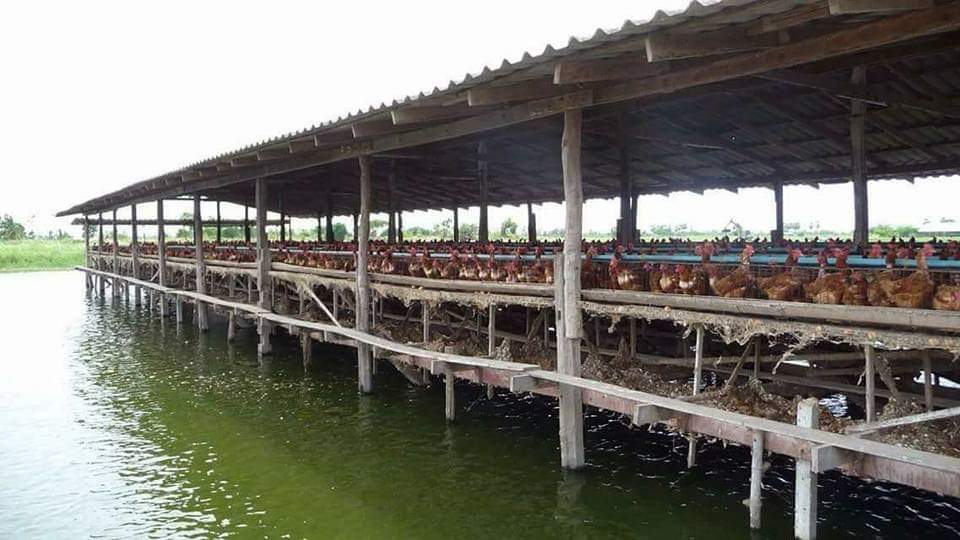
Fish and chicken double farming is an innovative and profitable integrated farming system where poultry and fish farming are combined on the same land. This method helps farmers maximize productivity, reduce costs, and increase income by efficiently using available resources.
In this system, poultry (chickens) are raised near or above fish ponds, allowing waste from chickens to be used as natural feed for fish. This creates a sustainable cycle that benefits both farming activities.
What is Fish and Chicken Integrated Farming?
Fish and chicken farming involves raising poultry alongside fish in a coordinated system. The most common method is building a poultry shed over or near a fish pond.
- Chicken droppings fall into the pond
- These droppings act as organic fertilizer
- It promotes plankton growth (natural fish food)
- Fish feed on this, reducing feed costs
This system reduces waste and increases overall farm efficiency.
Benefits of Fish and Chicken Double Farming
1. Dual Income Source
Farmers earn from:
- Selling fish
- Selling chicken meat and eggs
This ensures a steady and diversified income.
2. Reduced Feed Cost
Chicken waste acts as natural fish feed, reducing the need for expensive commercial fish feed.
3. Better Resource Utilization
- Efficient use of land and water
- Waste recycling within the farm
- Lower input costs
4. Increased Fish Production
Organic nutrients from poultry waste increase plankton growth, leading to faster fish growth and higher yield.
5. Eco-Friendly Farming
This method minimizes waste and promotes sustainable agriculture by recycling nutrients naturally.
Suitable Fish Species for Integrated Farming
Farmers can choose fast-growing and compatible fish species such as:
- Rohu
- Catla
- Mrigal
- Tilapia
- Common carp
These fish thrive well in nutrient-rich pond water.
Suitable Chicken Breeds
Choose poultry breeds based on your goal:
For Eggs (Layer Birds)
- White Leghorn
- ISA Brown
For Meat (Broilers)
- Cobb
- Ross
Setup of Fish and Chicken Farming System
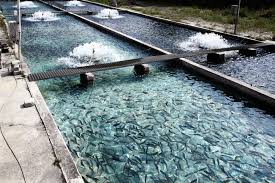
1. Pond Preparation
- Choose a pond with good water retention
- Depth: 1.5 to 2 meters
- Ensure proper inlet and outlet for water
- Maintain water quality
2. Poultry Shed Construction
- Build shed over pond or at pond edge
- Use bamboo/wooden platform
- Provide proper ventilation
- Ensure droppings fall directly into pond
3. Stocking Fish
- Stock fingerlings after pond preparation
- Maintain proper stocking density
- Use mixed fish culture for better yield
4. Poultry Management
- Maintain hygiene in poultry shed
- Provide proper feed and clean water
- Vaccinate birds regularly
Feeding and Management
- Reduce fish feed as poultry waste supplements nutrition
- Monitor water quality regularly
- Avoid overloading pond with waste
- Maintain balance to prevent water pollution
Challenges in Fish and Chicken Farming
- Risk of water pollution if waste is excessive
- Disease management in poultry
- Initial setup cost for shed and pond
- Need for proper knowledge and monitoring
Tips for Success
- Maintain proper stocking ratio of fish and poultry
- Regularly check pond oxygen levels
- Avoid overfeeding poultry
- Ensure proper drainage and water flow
- Seek guidance from agricultural experts
Profit Potential
Fish and chicken integrated farming can significantly increase farm income by:
- Reducing input costs
- Increasing output from same land
- Providing year-round income
Small and marginal farmers especially benefit from this system due to its efficiency and low waste.
Conclusion
Fish and chicken double farming is a smart, sustainable, and profitable farming method. By combining aquaculture and poultry farming, farmers can make the most of their resources while reducing costs and increasing productivity.
With proper planning, management, and care, this integrated farming system can transform traditional farming into a high-income, eco-friendly enterprise.