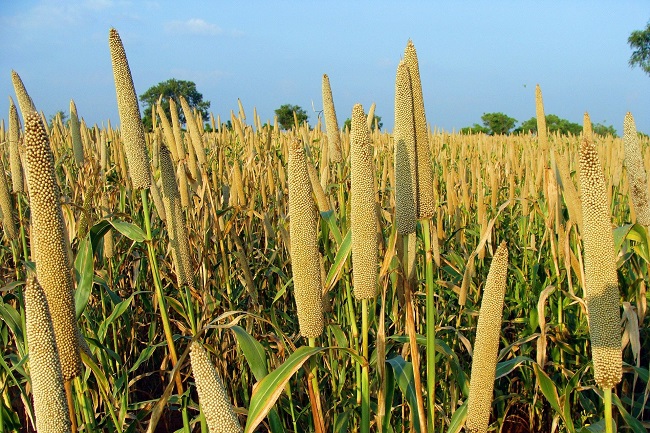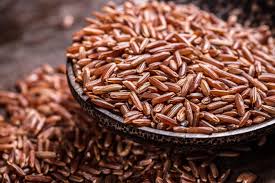
These days, with people paying closer attention to what they eat and how food is grown, brown rice is gaining steady attention once again. Known scientifically as Oryza sativa, brown rice is simply whole grain rice with only the outer husk removed, keeping its nutrient-rich bran and germ intact. Once considered less refined compared to white rice, it now stands out as a healthier and more natural choice in modern diets.
As lifestyle diseases continue to rise and food choices shift toward whole and minimally processed options, brown rice offers a balance between tradition and nutrition. It supports both better health and sustainable eating habits, making it increasingly relevant in today’s world.
Brown Rice And The Changing Food Landscape
Whole Grain That Retains Natural Nutrition
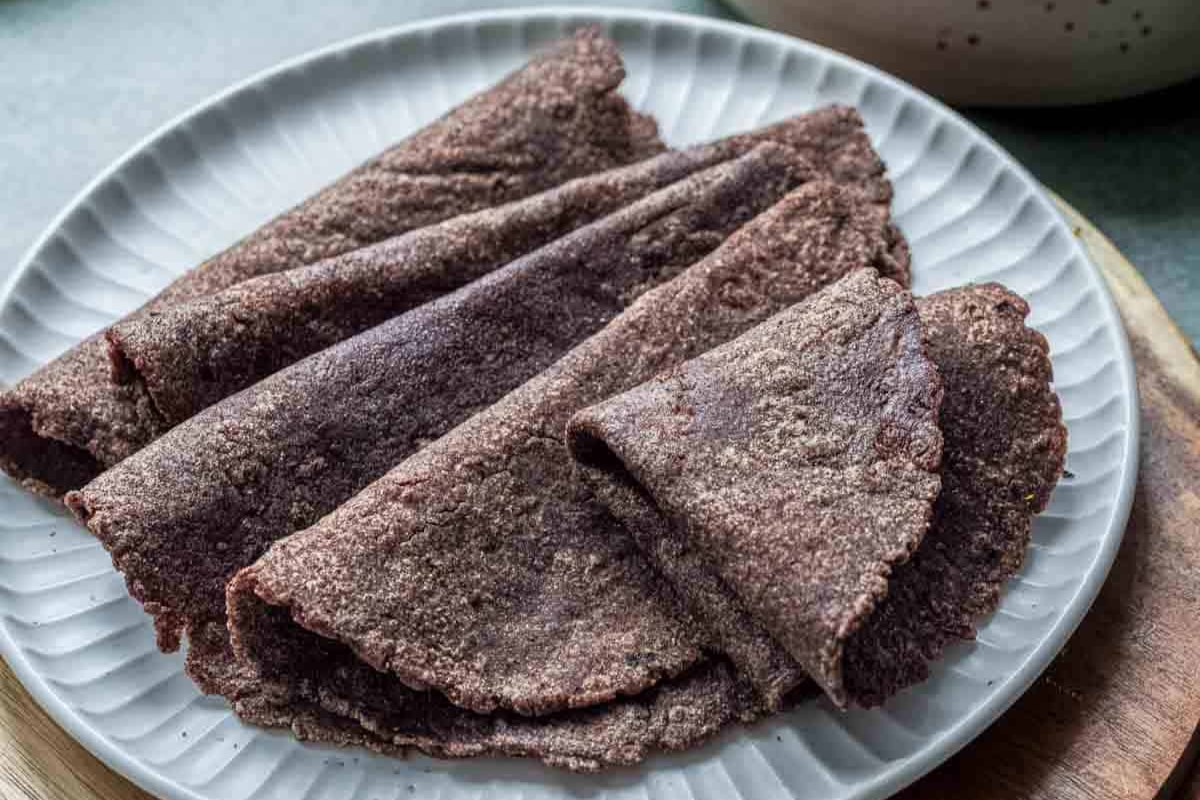
Brown rice differs from polished white rice because it retains its outer layers, which are rich in nutrients. This gives it an advantage in terms of both health and satiety. Unlike refined grains, brown rice provides more fiber and essential nutrients, making it a better long-term dietary choice.
It fits well into diets that focus on:
- Whole foods
- Minimal processing
- Natural nutrition
- Balanced eating habits
As more people move toward clean eating, brown rice finds its place naturally on the plate.
Sustainable and Balanced Choice
Brown rice production requires less processing compared to white rice, which means fewer resources are used after harvesting. This makes it a more sustainable option in the food chain.
Farmers and consumers alike benefit from this shift, as it encourages mindful consumption and reduces excessive refinement of food grains.
Rising Demand for Brown Rice in Modern Diets
Health Conscious Consumers Driving Demand
With growing concerns about diabetes, obesity, and heart health, many people are switching from refined grains to whole grains. Brown rice has become a popular substitute for white rice in many households.
It is now commonly available in different forms:
- Raw brown rice
- Brown rice flour
- Brown rice flakes
- Ready-to-cook brown rice packs
- Brown rice-based snacks
Urban consumers, fitness enthusiasts, and people following balanced diets are increasingly including brown rice in their daily meals.
Global Popularity and Market Growth
Brown rice is not limited to one region. It is widely consumed across Asia, Europe, and North America. The global shift toward healthier eating habits has increased its demand in supermarkets and organic food markets.
As awareness grows, brown rice continues to gain acceptance as a staple grain in both traditional and modern cuisines.
Brown Rice Health Benefits
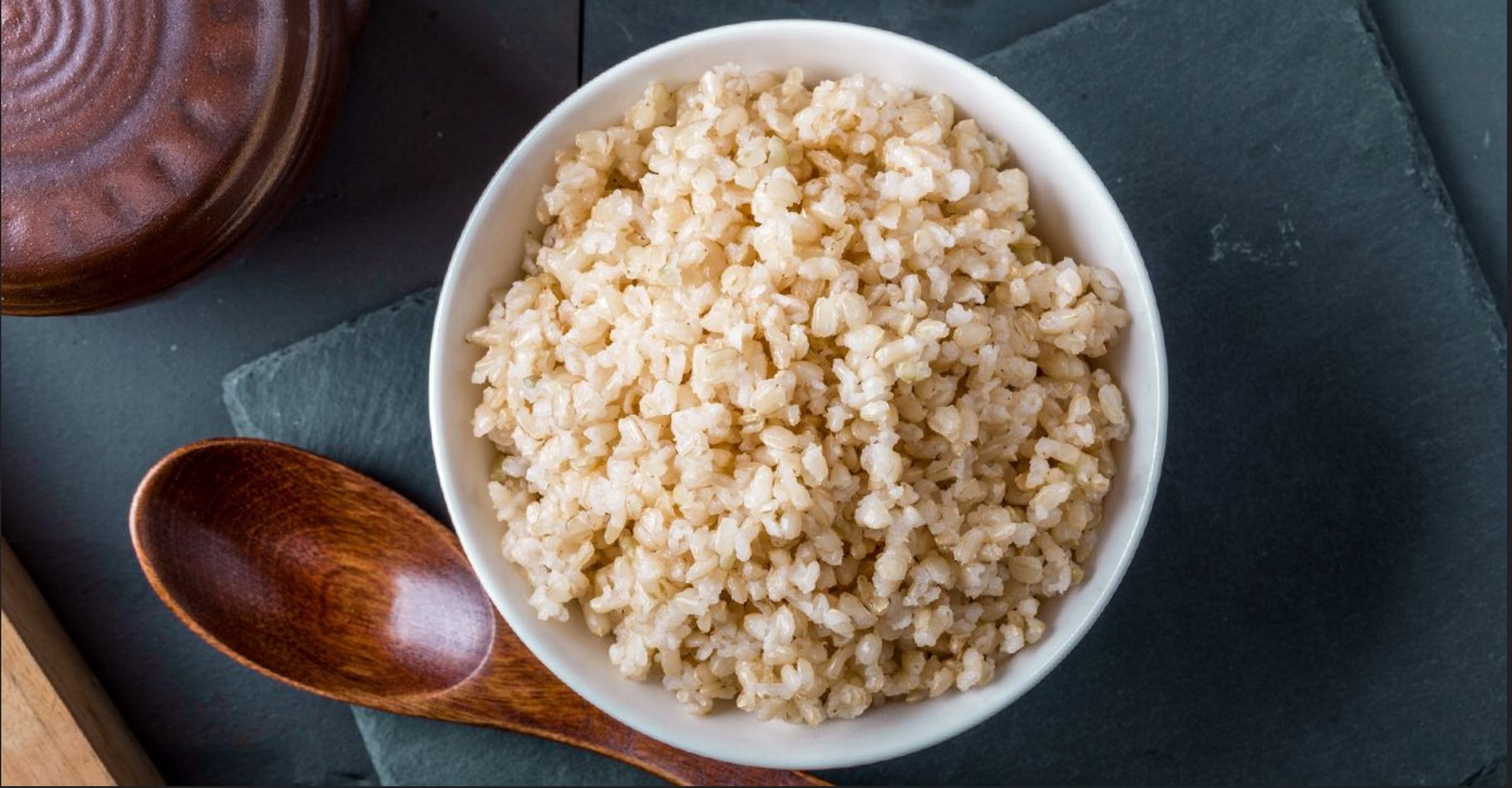
Built into many healthy diets, brown rice stands out because of its nutrient-rich profile. Retaining the bran layer makes it significantly more beneficial than refined rice.
1. Rich in Fiber for Better Digestion
Brown rice contains high levels of dietary fiber, which supports digestion and prevents constipation. It helps maintain a healthy digestive system and promotes gut health.
2. Supports Diabetes Management
Brown rice has a lower glycemic impact compared to white rice. It releases glucose more slowly into the bloodstream, helping maintain stable blood sugar levels.
This makes it a better choice for individuals managing diabetes or aiming to control sugar intake.
3. Helps in Weight Management
The fiber in brown rice creates a feeling of fullness, reducing the chances of overeating. It supports healthy weight management by keeping hunger levels in check.
4. Promotes Heart Health
Brown rice contains essential nutrients like magnesium and antioxidants that support heart function. It helps reduce bad cholesterol levels and promotes better cardiovascular health.
5. Rich in Essential Nutrients
Brown rice is a good source of:
- B-complex vitamins
- Magnesium
- Phosphorus
- Iron
These nutrients help in energy production, brain function, and overall body strength.
6. Gluten-Free and Easy to Digest
Brown rice is naturally gluten-free, making it suitable for people with gluten intolerance. It is also gentle on the stomach when cooked properly, making it a versatile grain for many diets.
How Brown Rice Is Used Today
Brown rice can be easily included in everyday meals without much change to traditional cooking habits. It serves as a healthier replacement for white rice in many dishes.
Common uses include:
- Steamed brown rice meals
- Brown rice pulao
- Brown rice dosa and idli
- Brown rice salads
- Brown rice porridge
With the rise of ready-to-cook options, preparing brown rice has become more convenient for busy lifestyles.
Challenges And Changing Preferences
Despite its benefits, brown rice still faces some challenges:
- Longer cooking time compared to white rice
- Slightly different taste and texture
- Limited awareness in some regions
However, as awareness increases and cooking methods improve, more people are gradually adapting to its taste and benefits.
The Future of Brown Rice
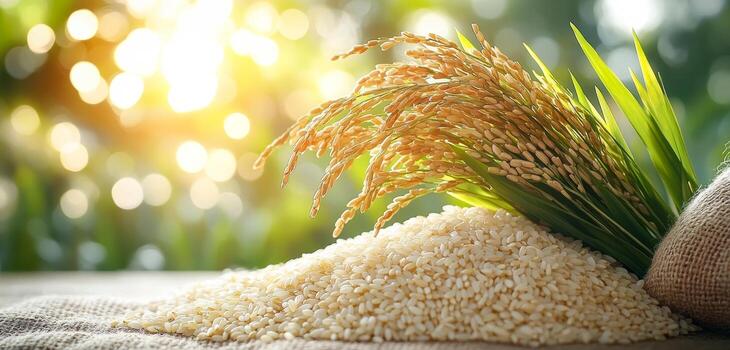
Brown rice continues to grow in popularity as people shift toward healthier and more natural food choices. It represents a return to whole grains and traditional eating patterns with modern understanding.
Its key strengths include:
- Natural whole grain nutrition
- Growing health awareness
- Increasing global demand
- Sustainable food choice
As food habits evolve, brown rice is expected to become a regular part of everyday diets. It offers a simple yet effective way to improve nutrition without drastically changing eating habits.
Brown rice may not be new, but its importance is being rediscovered. As more people choose health over convenience, this humble grain finds its place again—quietly supporting better living through better food choices.