
Prices
Track agricultural prices across India.
Get real-time and historical market prices, forecasts and key price benchmarks to make better decisions.
Smarter price insights for a stronger tomorrow.Mandi
Live market prices from across India
Crop
Key benchmarks for crop value
Animal
Live rates for livestock and poultry
Essentials
Key input and commodity prices for farming
Forecast
Anticipate trends, plan better
Agri career
Build a career in agriculture.
Find the jobs that are open now, the exams worth sitting, the courses that lead somewhere, and the reading behind all of it.
A clearer path into agricultural work.Jobs
Paid work, internships and volunteer roles
Exams
Dates, syllabus and study material
Learning
Courses you can join and what they teach
Resources
Research, yield data and directories
Institutes
Where agriculture is taught in India
Farm finance
Find the money behind the season.
Check which government schemes you qualify for, what you can borrow and at what instalment, and the cover available for your crop and your animals.
Know what you can claim before you spend.Schemes
Government schemes and your eligibility
Loans
What you can borrow and what it costs
Insurance
Cover for your crop and your animals
Scholarships
Money for agriculture students
Mart
Sell what you grew, buy what you need.
Post your harvest, your machine or your land, and find the labour, transport and storage that the harvest needs around it.
Your own listings, your own buyers.Goods
Harvest, machines, animals, inputs and land
Services
Labour, transport and cold storage
Inspect
Check a crop, a soil card or an animal.
Describe the symptoms and see what may be wrong, read what your soil test is actually asking for, or reach a verified agronomist or vet.
A second opinion before you spend on it.Self check
Check it yourself, crop or animal
Expert check
Reach a verified agronomist or vet
Join as an expert
Register if you are qualified to advise
Plan my season
Plan the season before you commit to it.
Work out what a crop will cost and what it could return, when to sow for the yield you want, and whether the water will be there.
Decide with numbers, not with hope.Money
What the season costs and what it returns
Yield
How much to expect and when to sow
Climate
Rain, reservoirs, groundwater and weather
Community
Talk to other farmers.
Ask a question and read what other farmers answered, share what is happening on your farm, find the market days near you and follow the news.
The people farming beside you.Discussion
Ask other farmers, and answer them back
Posts
Share what is happening on your farm
Events
Market days near you and how to be seen
News
Farming news from named sources
Help
Get help with SaveAgri.
Learn how each part of the site works, see exactly where every number comes from, and reach a person when something looks wrong.
A real person reads every report.Company
Who runs SaveAgri and how to reach us
Support
Help using the site and where the data comes from
Legal
What we store and the terms you are using
Your A to Z of agriculture
Prices, opportunities, knowledge and trusted tools
for everyone connected to agriculture.
Farmers
Brighter
Tomorrows
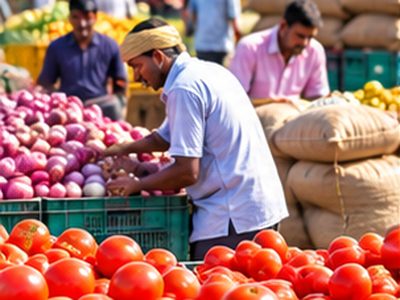 Arhar / Tur₹7,200/qtl▲ +14.9%
 Bajra₹2,000/qtl▲ +0.0%
 Banana₹1,550/qtl▲ +0.0%
 Chennai…
 Rain today…
 Wind…
Wind… Today's mandi snapshot
Compare current arrivals and prices before making a market decision.

| Commodity | Mandi | Min price | Modal price | Max price | Change |
|---|---|---|---|---|---|
| Arhar / Tur | APMC Bagasara | ₹6,500 | ₹7,200 | ₹7,900 | ▲ +14.9% |
| Bajra | Charra APMC | ₹2,000 | ₹2,000 | ₹2,000 | ▲ +0.0% |
| Banana | Payakaraopeta APMC | ₹1,500 | ₹1,550 | ₹1,600 | ▲ +0.0% |

 1 verified sources monitored
 AgmarknetIMD
 ICAR
ICAR data.gov.in
 State agriculture portalsAgricultural universities
 Trusted publications
 Explore by topic
See all topicsPricesWhat your crop, your animals and your inputs are worth today. Agri careerJobs, exams, courses and the reading behind them.
 FinanceSchemes, loans, insurance and scholarships in one place.
 MartBuy and sell produce, machines, animals and services.
 InspectCheck a crop, a soil card or an animal, or reach an expert.Plan my seasonDecide what to sow, what it costs and what the weather will do.CommunityAsk, answer, meet at the market and read the news.
What you get on SaveAgri
 Discover schemes and finance
 Buy and sell agricultural products
 Who SaveAgri is for
 FarmersPrices, weather, schemes, planning and expert supportStudentsCourses, syllabus, exams, scholarships and careers
 ResearchersJournals, yield datasets, GI information and sources
 Job seekersVacancies, qualifications, events and learning
 Agri businessesMarket signals, listings, suppliers and buyersCitizensReliable news, food price trends and agri knowledge
 Latest from SaveAgri
View all articles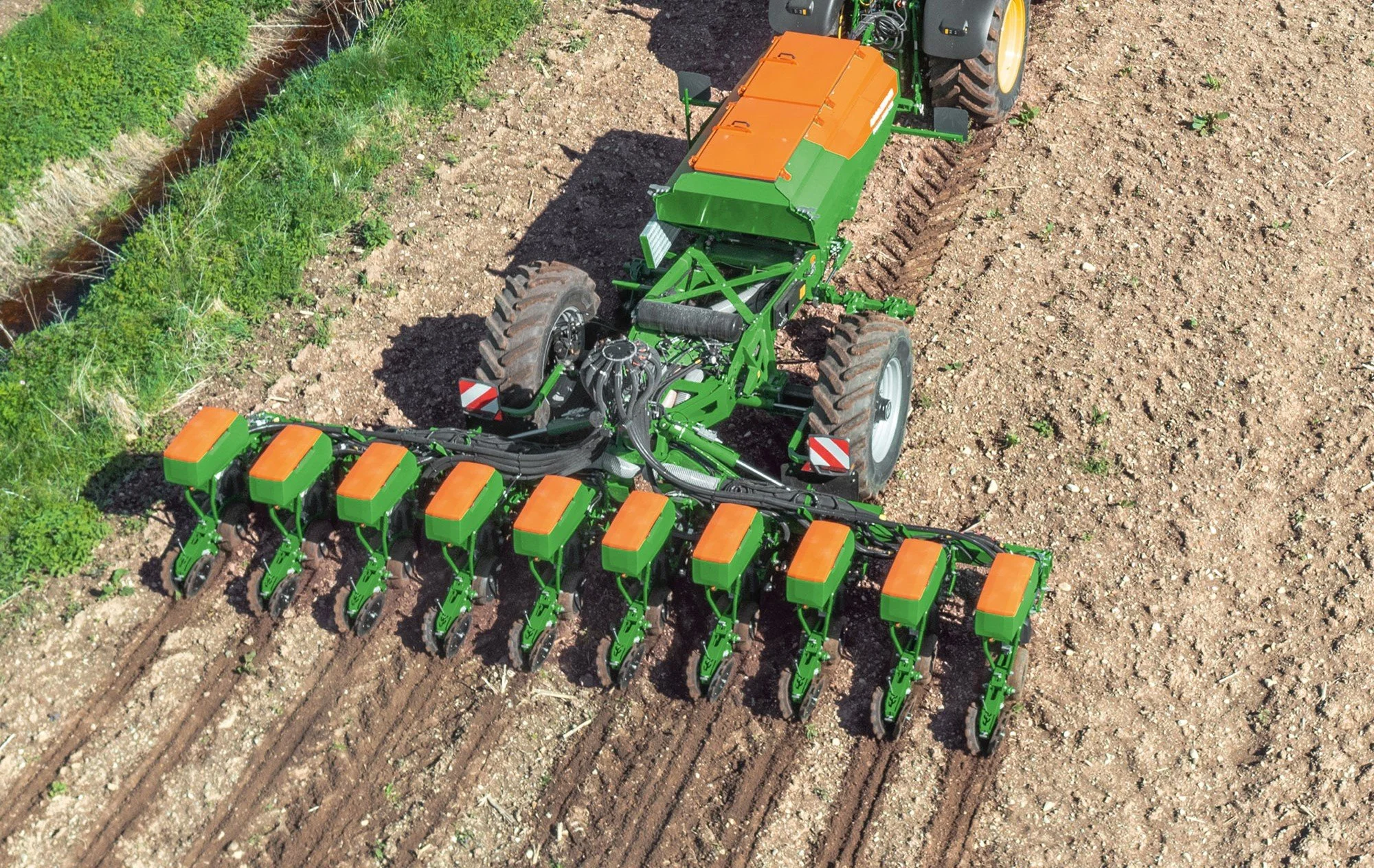 Corn Farming (Maize) Guide 2026: Cultivation Methods, Yield, Profit & Market DemandAGRI7 Apr 2026
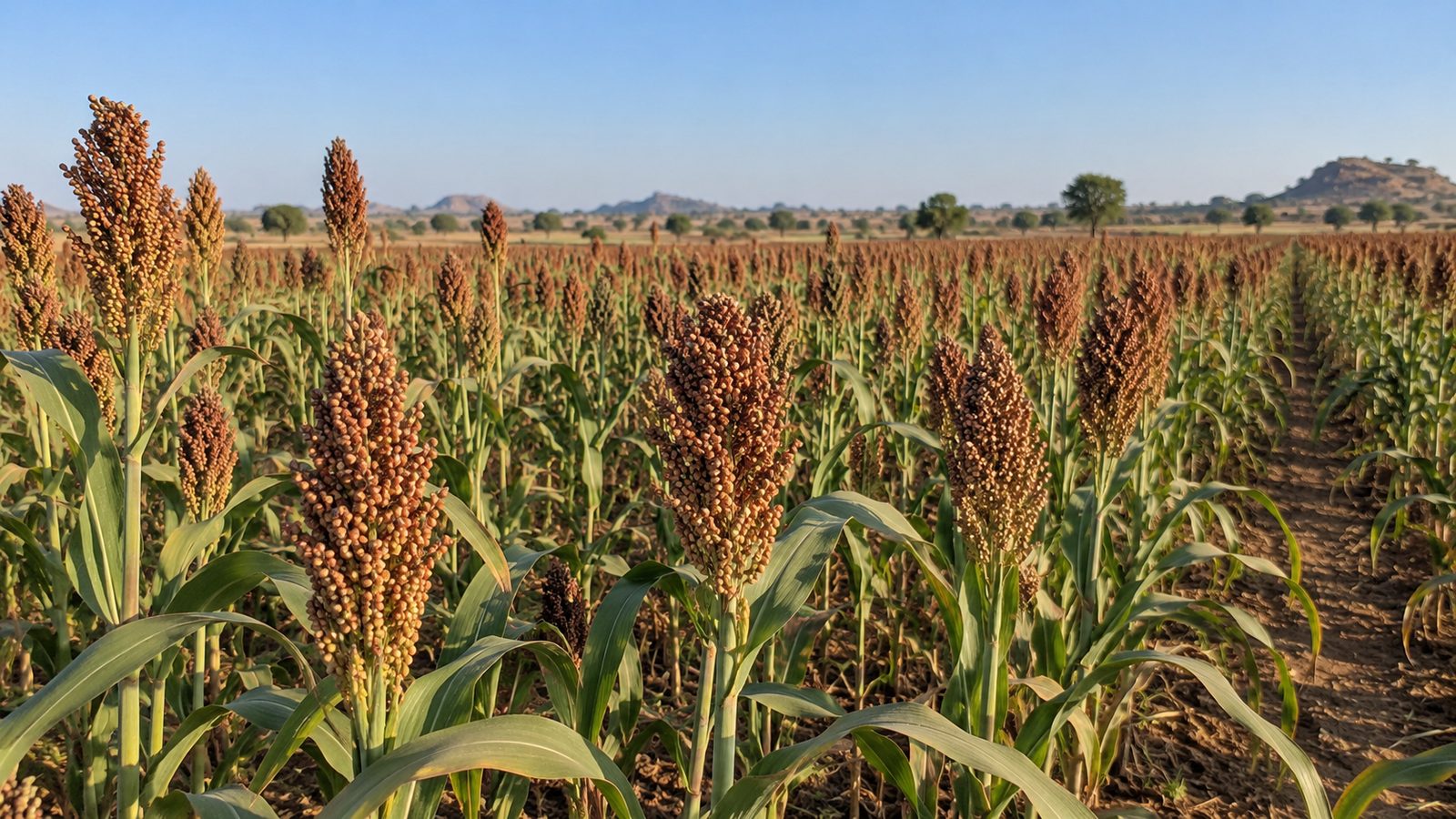 Jowar Farming (Sorghum) Guide 2026: Cultivation Methods, Profit & Market DemandAgri Business5 Apr 2026
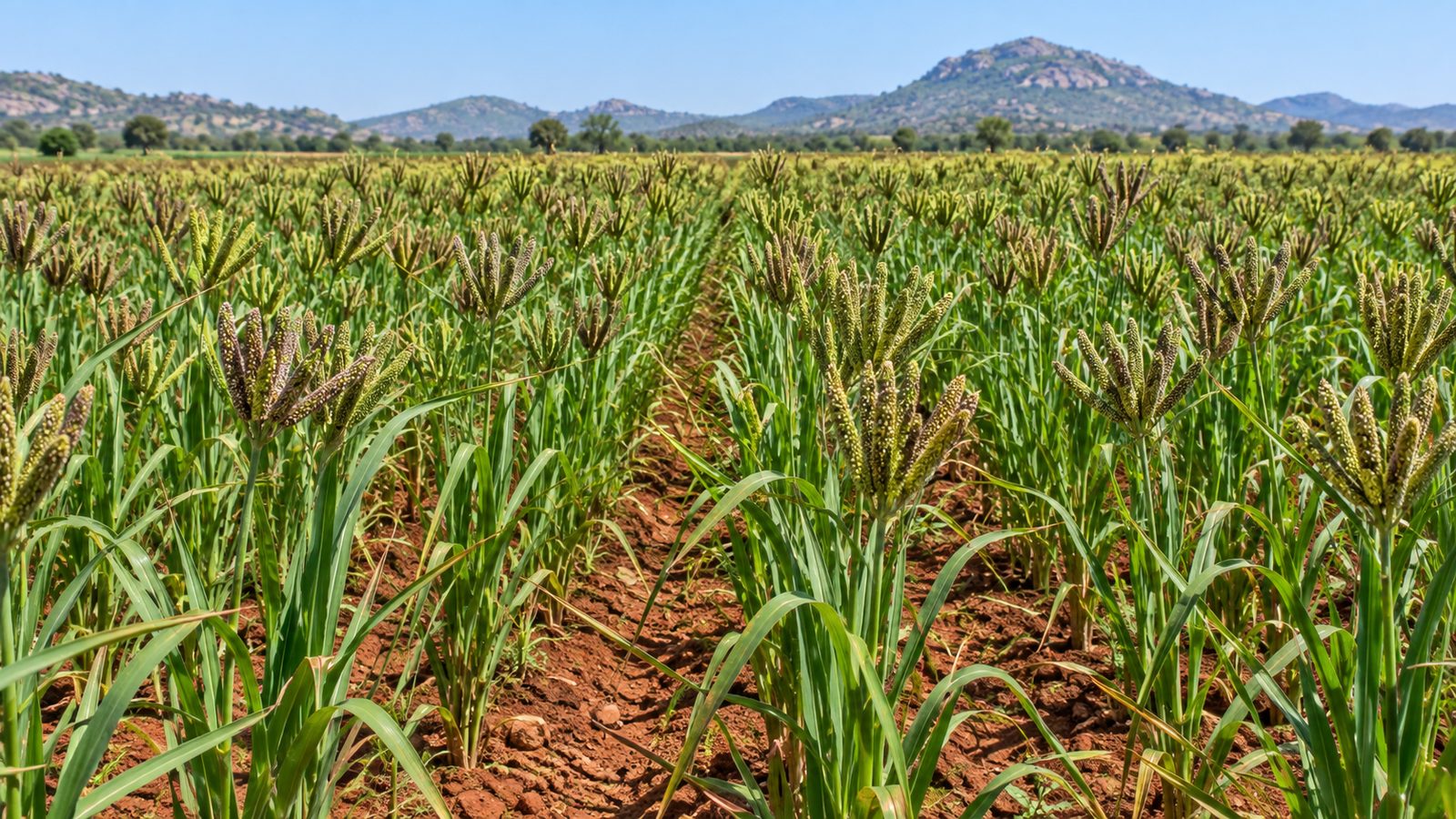 Ragi Farming (Finger Millet) Guide 2026: Cultivation, Profit per Acre & Market DemandFarming Guides5 Apr 2026
Source and last updated: Agmarknet, IMD and verified public portals · 22 Sept 2026, 1:08 pm
 Tell me when this changes
 ShareCheck mandi pricesFind schemesPlan this season
Start exploring SaveAgri
One place for trusted agriculture information.
Healthy SoilStronger India