The Ultimate Guide to Chia Seeds: Benefits, Nutrition, and Precautions
Chia seeds have gained massive popularity as a superfood in recent years, celebrated for their nutritional richness and health benefits. But what exactly happens when you consume just one tablespoon of chia seeds each day? This comprehensive guide breaks down the science, benefits, nutritional profile, and potential drawbacks of including chia seeds in your daily diet. Whether you’re looking to improve digestion, support heart health, or manage weight, understanding chia seeds’ impact can help you make better dietary choices.
What Are Chia Seeds?
Chia seeds are tiny black seeds from the plant Salvia hispanica, native to Central America. Known for their remarkable nutrient density, these seeds pack a punch in small quantities, offering a rich source of macronutrients like protein, fiber, and healthy fats, as well as essential vitamins and minerals. Their unique ability to absorb water and expand makes them a favorite for promoting fullness and digestive health.
Health Benefits of One Tablespoon of Chia Seeds Daily
Improved Digestive Health
One of the most significant benefits of chia seeds is their high fiber content. A single tablespoon contains about 4 grams of fiber, which supports regular bowel movements and overall gut health. Fiber slows down digestion, which can help you feel fuller longer and reduce hunger cravings—making chia seeds an excellent addition for weight management.
Heart Health Support
Chia seeds contain omega-3 and omega-6 fatty acids in an optimal ratio of approximately 3:1. These essential fatty acids help balance cholesterol levels by managing LDL, triglycerides, and apolipoproteins, supporting cardiovascular health. Additionally, the combination of fiber and antioxidants in chia seeds contributes to reducing inflammation and oxidative stress, both critical factors in heart disease prevention.
Bone Strength and Mineral Support
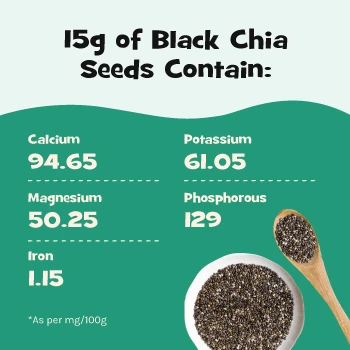
Chia seeds provide important minerals for bone health, including calcium (about 8% of daily needs per tablespoon), magnesium, phosphorus, and potassium. Regular consumption supports bone density and strength, which is especially beneficial for aging populations or those at risk of osteoporosis.
Blood Sugar Regulation
The fiber and fat content in chia seeds slow carbohydrate absorption, leading to a gradual increase in blood sugar levels. This quality makes chia seeds suitable for individuals with diabetes or those looking to maintain stable blood glucose. However, moderation is key to avoid excessive calorie intake.
Antioxidant Properties
Chia seeds are rich in antioxidants that help neutralize free radicals—unstable molecules that can damage cells through oxidation. By reducing oxidative stress, antioxidants in chia seeds help protect your body from premature aging and chronic diseases. However, antioxidants alone cannot replace a balanced diet rich in macronutrients and vitamins.
Weight Management
Despite their calorie density (about 58 calories per tablespoon), chia seeds aid weight control due to their fiber and protein content, which promote satiety. Eating chia seeds in controlled amounts can curb hunger and reduce overeating.
Nutritional Breakdown of One Tablespoon of Chia Seeds (Approx. 12 grams)
- Calories: 58 kcal
- Protein: 2 grams
- Fiber: 4 grams
- Total Carbohydrates: 5 grams (mostly fiber, negligible sugar)
- Omega-3 Fatty Acids: 2.5 grams
- Omega-6 Fatty Acids: 0.7 grams
- Calcium: 75 mg (8% daily value)
- Magnesium, Phosphorus, Potassium: 10-15% daily value each
- Antioxidants: Various types that combat oxidative stress
This nutrient density means that while chia seeds are calorie-rich, they offer a balanced profile ideal for energy and micronutrient supplementation.
Potential Downsides and Precautions When Consuming Chia Seeds
Digestive Issues
For some, especially those new to chia seeds, excessive fiber can cause gastrointestinal discomfort such as bloating or constipation. It’s best to start with smaller amounts (half a tablespoon), gradually increasing as your digestive system adjusts.
Choking Hazard for Children
Due to their ability to absorb water and expand, dry chia seeds can pose a choking risk to young children. Always mix chia seeds with liquids or soft foods before serving to kids.
Allergic Reactions
Though rare, some individuals may experience mild allergic reactions like skin rashes. If you notice any adverse symptoms, discontinue use and consult a healthcare professional.
Blood Thinning Effects
The omega-3 fatty acids in chia seeds have a natural blood-thinning effect. If you are on blood-thinning medication or have bleeding disorders, consult your doctor before adding chia seeds to your diet. Dosage depends on individual medical conditions and medications.
Interactions with Medications
Chia seeds may interact with certain medications, including blood pressure drugs, diabetes medications, and anticoagulants. Always inform your physician if you plan to consume chia seeds regularly.
Calorie Density and Overconsumption
While nutrient-rich, chia seeds are calorie-dense. Consuming large quantities (more than 10 grams or roughly one tablespoon per day) can lead to unwanted weight gain and nutrient imbalances. Pair chia seeds with a balanced diet rich in vegetables to avoid over-nutrition.
Anti-Nutrients: Phytic Acid
Chia seeds contain phytic acid, which can reduce the absorption of minerals like calcium, magnesium, and iron. Although this effect is moderate (around 15% reduction), it means chia seeds should be part of a varied diet to prevent nutrient deficiencies.
How to Incorporate Chia Seeds Into Your Diet
Simple Ways to Use Chia Seeds
- Add a tablespoon to your morning smoothie for a fiber and omega-3 boost.
- Mix with yogurt or oatmeal for added texture and nutrition.
- Stir into cooked rice or salads to enhance fiber content.
- Soak in water or milk to make chia pudding, a delicious and filling snack.
Chia Seeds with Rice: A Diabetic-Friendly Combination
Boiled rice combined with a tablespoon of chia seeds can create a low glycemic, high-fiber meal ideal for diabetics. Soaking rice overnight and cooking it the next day, then mixing in chia seeds, helps stabilize blood sugar and adds nutritional value without compromising taste.
Final Thoughts: Should You Eat Chia Seeds Daily?
Chia seeds are undoubtedly a superfood, offering numerous health benefits when consumed in moderation. Eating one tablespoon daily can improve digestion, support heart and bone health, regulate blood sugar, and provide essential nutrients and antioxidants. However, as with all foods, moderation and balance are key. Consider your individual health conditions, medication use, and dietary habits before making chia seeds a staple.
If you experience digestive discomfort, allergic reactions, or take blood-thinning medications, consult a healthcare professional for personalized advice. Remember, chia seeds complement a healthy lifestyle but cannot replace whole vegetables, fruits, and a balanced diet.
Frequently Asked Questions (FAQs)
1. How much chia seed should I eat daily?
A safe and effective amount is about one tablespoon (12 grams) per day.
2. Can chia seeds help with weight loss?
Yes, their high fiber and protein content promote fullness and reduce hunger, aiding weight management.
3. Are chia seeds safe for children?
Yes, but avoid giving them dry chia seeds directly to prevent choking. Mix with liquids or soft foods.
4. Can chia seeds interact with medications?
Yes, especially blood pressure, diabetes, and blood-thinning drugs. Consult your doctor first.
5. What are the side effects of chia seeds?
Possible mild digestive issues, allergic reactions, and blood thinning effects if consumed excessively.
Incorporate chia seeds wisely into your diet to enjoy their full benefits without risking adverse effects. Stay tuned for more nutrition insights and healthy lifestyle tips!