Introduction to Jowar Farming
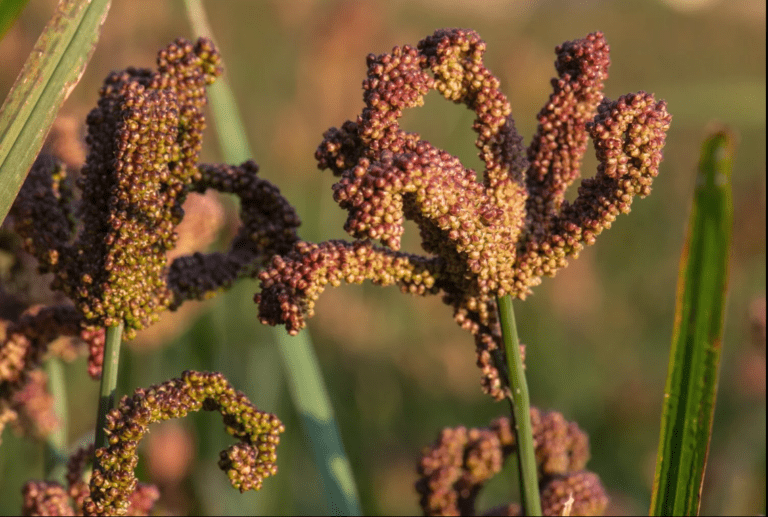
Jowar, also known as sorghum, is one of the most important millet crops grown in India and across semi-arid regions worldwide. Known for its high drought tolerance and low water requirement, jowar is emerging as a key crop in climate-resilient agriculture.
With the global shift toward healthy grains and gluten-free diets, jowar has gained significant popularity among urban consumers and international markets.
🌾 Why Jowar is a Future Crop
Jowar is gaining importance due to:
- 🌿 Climate-resilient crop (withstands drought)
- 💧 Requires less water than rice or wheat
- 🌱 Suitable for organic farming
- 🥗 High nutritional value (fiber, iron, protein)
Governments are also promoting millets like jowar as part of food security and nutrition programs.
🌍 Climate & Soil Requirements
Climate:
- Temperature: 25°C – 32°C
- Rainfall: 400–800 mm
- Ideal for dryland farming
Soil:
- Well-drained sandy loam or black soil
- pH: 6.0 – 8.0
Jowar can grow even in marginal soils, making it suitable for low-investment farming.
🌿 Land Preparation & Sowing
Land Preparation:
- 1–2 deep ploughings
- Fine tilth required
- Level field for uniform irrigation
Sowing Season:
- Kharif: June–July
- Rabi: September–October
Sowing Methods:
1. Broadcasting
Easy but less efficient.
2. Line Sowing (Recommended)
- Row spacing: 45 cm
- Plant spacing: 15 cm
3. Seed Drill Method
- Uniform spacing
- Better germination and yield
🌱 Seed Selection & Varieties
Popular Jowar Varieties:
- CSV 15
- CSV 27
- CSH 14
- M 35-1
Seed Rate:
- 4–5 kg per acre
Seed Treatment:
- Use bio-fertilizers
- Treat with Trichoderma for disease resistance
🌾 Organic Jowar Farming Practices
1. Soil Nutrition
- Farmyard manure (FYM): 2 tons/acre
- Vermicompost
- Green manure crops
2. Weed Control
- First weeding: 15 days
- Second weeding: 30 days
3. Pest & Disease Management
Common pests:
- Shoot fly
- Stem borer
Control methods:
- Neem oil spray
- Light traps
- Biological control agents
💧 Irrigation Management
Jowar is mostly rain-fed but irrigation improves yield:
- Critical stages:
- Flowering
- Grain filling
Avoid over-irrigation as it affects root growth.
🌾 Harvesting & Yield
Harvest Time:
- 100–120 days after sowing
Signs:
- Grains harden
- Crop turns yellow
Yield:
- Average: 10–15 quintals/acre
- With good practices: up to 20 quintals/acre
💰 Jowar Farming Profit per Acre
Cost of Cultivation:
- Low input cost
- Minimal fertilizer requirement
Market Price:
- ₹20–₹35 per kg
Net Profit:
- ₹20,000 – ₹50,000 per acre
Jowar is ideal for low-risk farming with stable returns.
🥣 High-Demand Jowar Products
Value addition is key to higher income.
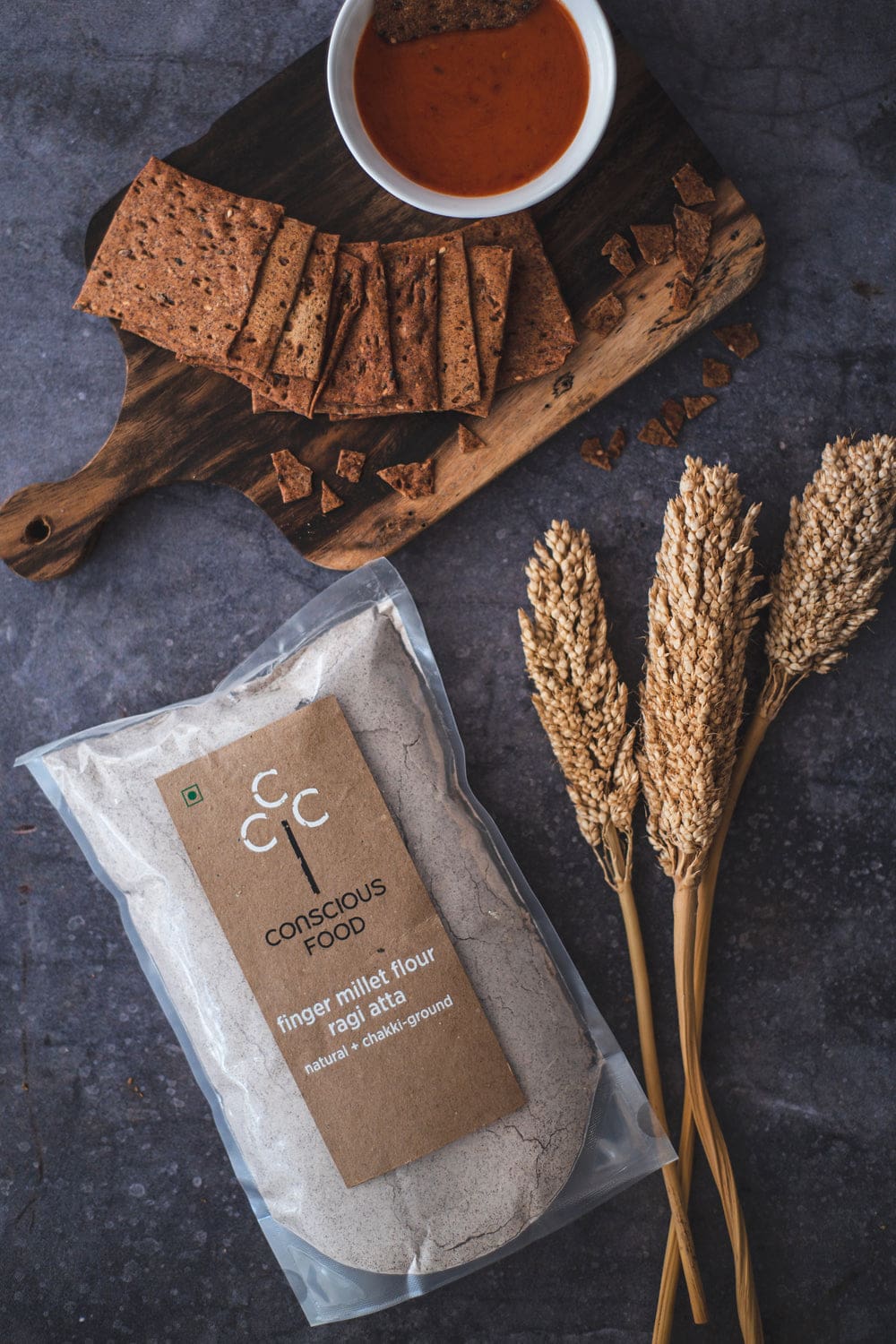
🌾 1. Jowar Flour (Sorghum Atta)
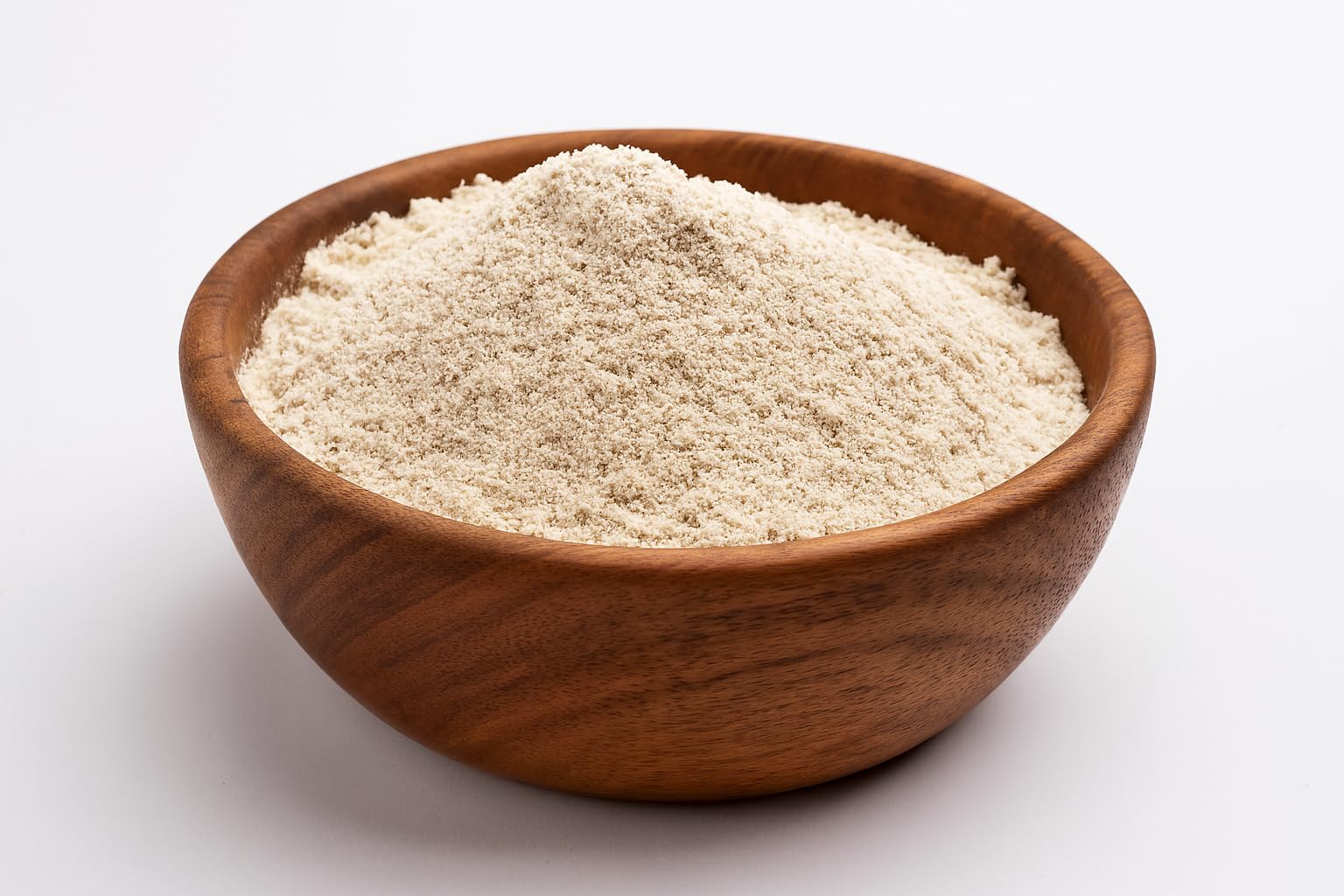


- Used for rotis and bakery products
- Gluten-free alternative
🍪 2. Jowar Biscuits & Snacks


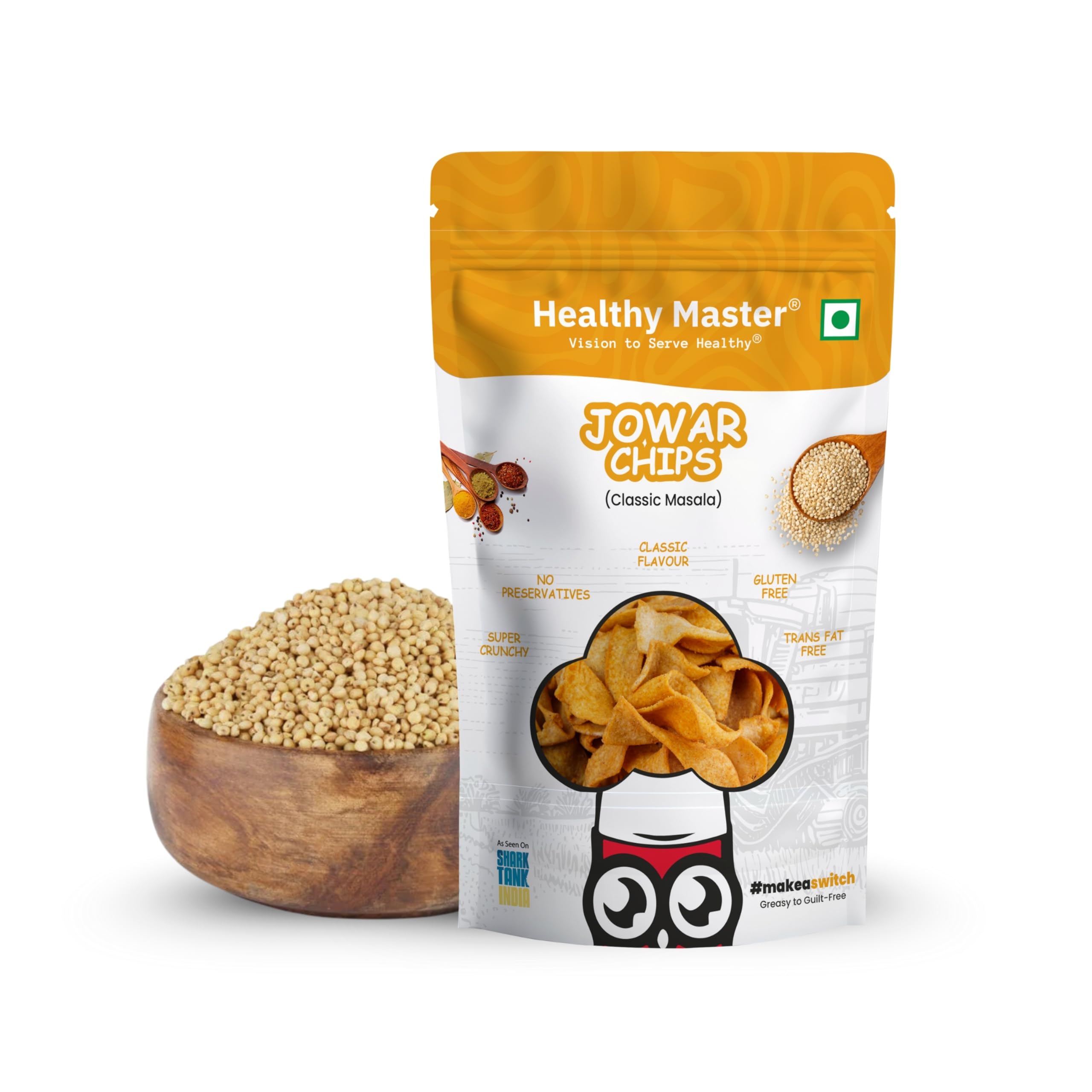
- High demand in health food markets
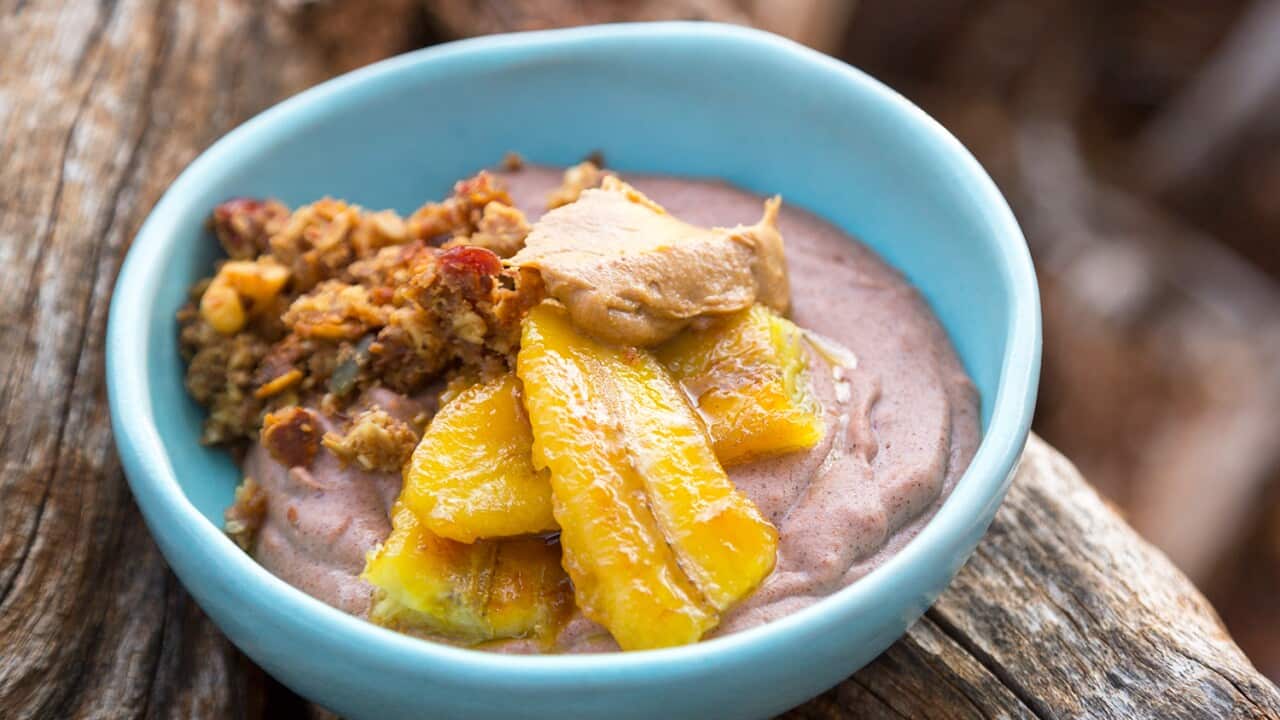
🥤 3. Jowar Malt & Health Mix


4
- Popular as a nutritious drink
🍿 4. Popped Jowar (Sorghum Popcorn)


4
- Trending as a healthy snack alternative
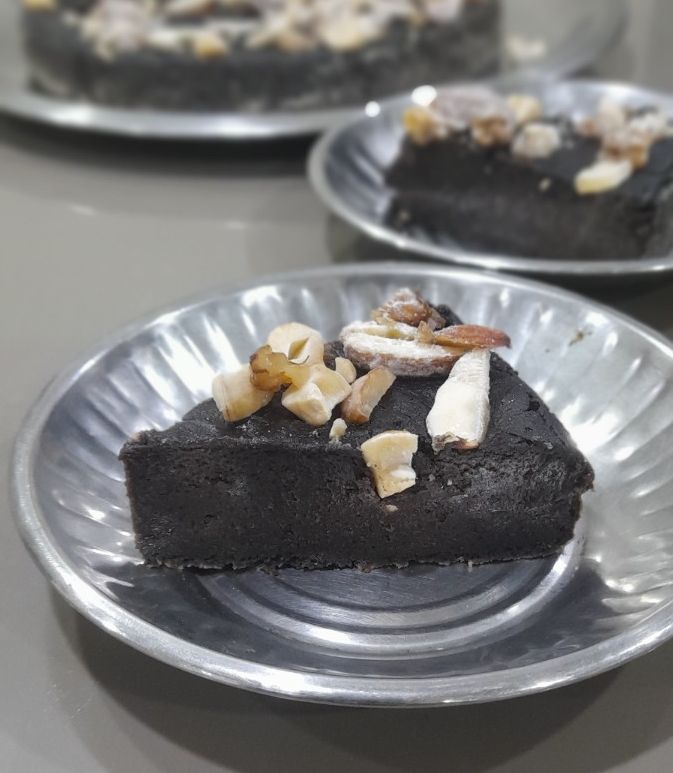
🧁 5. Jowar Bakery Products

4
- Used in cakes, breads, and muffins
📈 Market Demand & Trends
Why Jowar Demand is Growing:
- Gluten-free diet trend
- Rising diabetes awareness
- Millet promotion by governments
Export Markets:
- USA
- Europe
- Middle East
🚀 Business Opportunities in Jowar Farming
- Jowar flour milling unit
- Healthy snack brand
- Millet-based startup
- Organic grain export
- Direct farm-to-consumer sales
Future of Jowar Farming (2026–2030)
- Expansion of millet-based food brands
- Increased exports
- Government subsidies for millets
- Growth in health-conscious consumers
✅ Conclusion
Jowar farming is a sustainable, low-cost, and climate-resilient agricultural practice that offers consistent returns for farmers. With increasing awareness about millets and their health benefits, jowar is poised to become a major crop in both domestic and global markets.
By adopting organic farming methods and focusing on value-added products like jowar flour, snacks, and malt, farmers can significantly boost their income and build a future-ready agricultural business.